Early Bird Tickets : $825.00 (including GST)
Standard Tickets : $935.00 (including GST)

Email | Phone: +61 7 5477 3200

Ticketing terms & conditions

Privacy policy


Explicit instruction, deliberate practice and responsive teaching: Examine the evidence behind each and how together they build the robust cognitive architecture students need to think critically and solve complex problems.


Go beyond acquisition: Discover practical approaches that help students deepen their understanding, refine their thinking and apply what they know to unfamiliar contexts with genuine purpose.


Gather research-informed strategies that can be used immediately, plus the sustainable tools to embed them, to ensure classroom learning is deep, transferable and enduring.

  • Principles of the Science of Learning
  • Empowering students to think deeply
  • Curriculum Design and Knowledge Acquisition
  • Literacy and Numeracy Mastery 
  • Assessment and Responsive Teaching
  • Instructional Coaching and Sustainable Leadership
  • Behaviour Management and Learning Cultures  
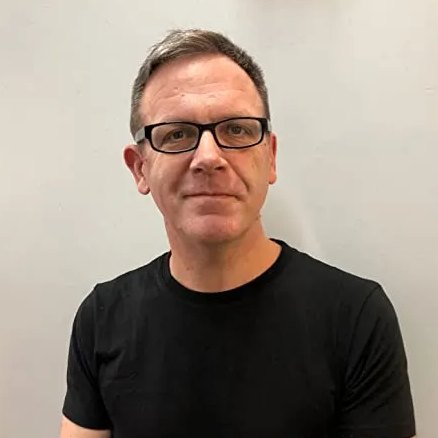
Jared Cooney Horvath
Dr Jared Cooney Horvath

Dr Jared Cooney Horvath

Jared Cooney Horvath, PhD, MEd, is a neuroscientist, educator and author of the best-selling book Stop Talking, Start Influencing. He has conducted research and lectured at Harvard University, Harvard Medical School, the University of Melbourne and over 1,000 schools internationally. He has published six books and more than 60 research articles. Jared is Director of LME Global, bringing the latest brain and behavioural research to teachers and students.

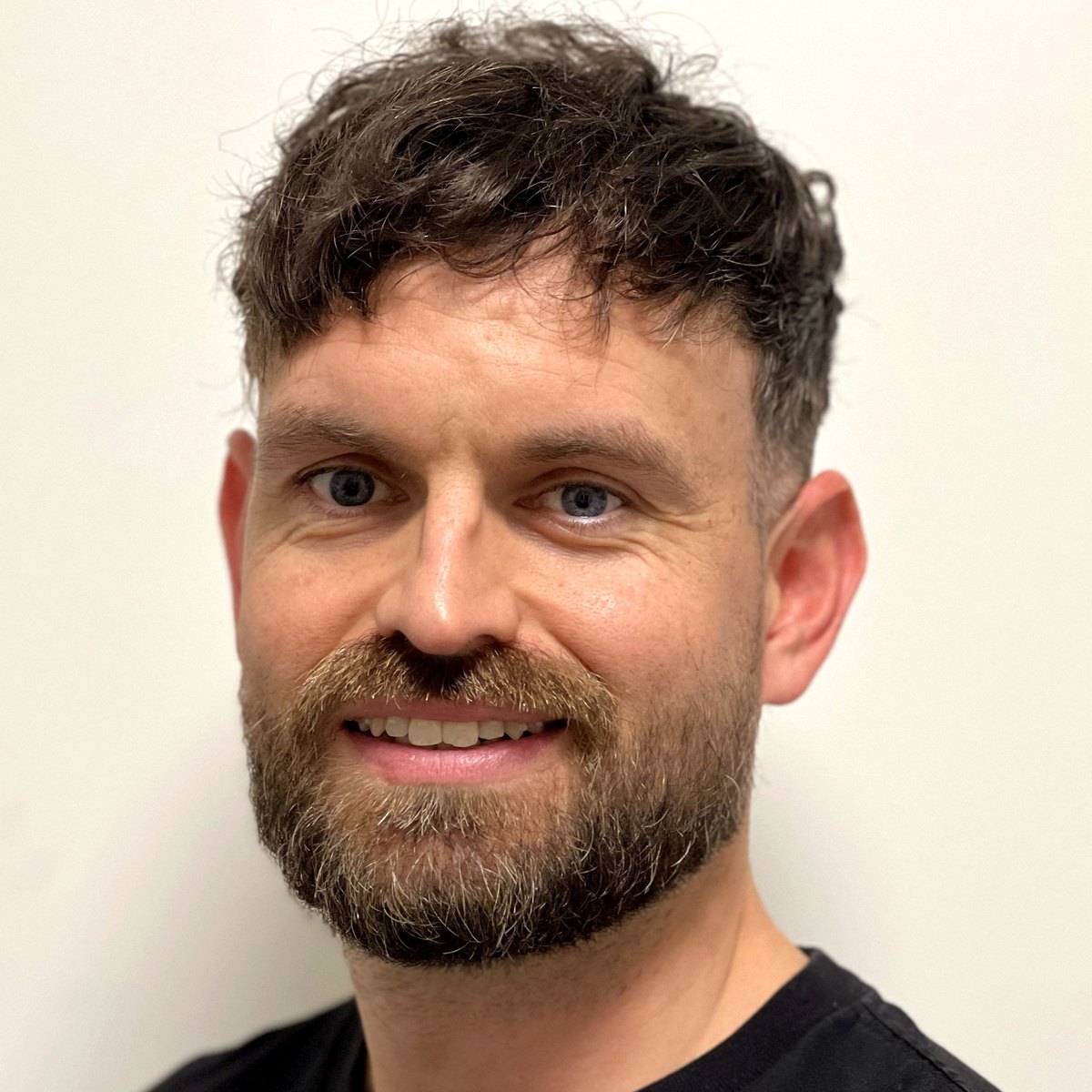
Tom Sherrington
Tom Sherrington

Tom Sherrington

Tom Sherrington is a highly regarded education consultant and CPD provider with 30 years' experience as a teacher and headteacher in schools across England and overseas. He writes the well-known blog teacherhead.com, is a regular contributor to ResearchEd and the Festival of Education, and co-founded Teaching WalkThrus. His book, Rosenshine's Principles in Action, sold 10,000 copies in its first month.

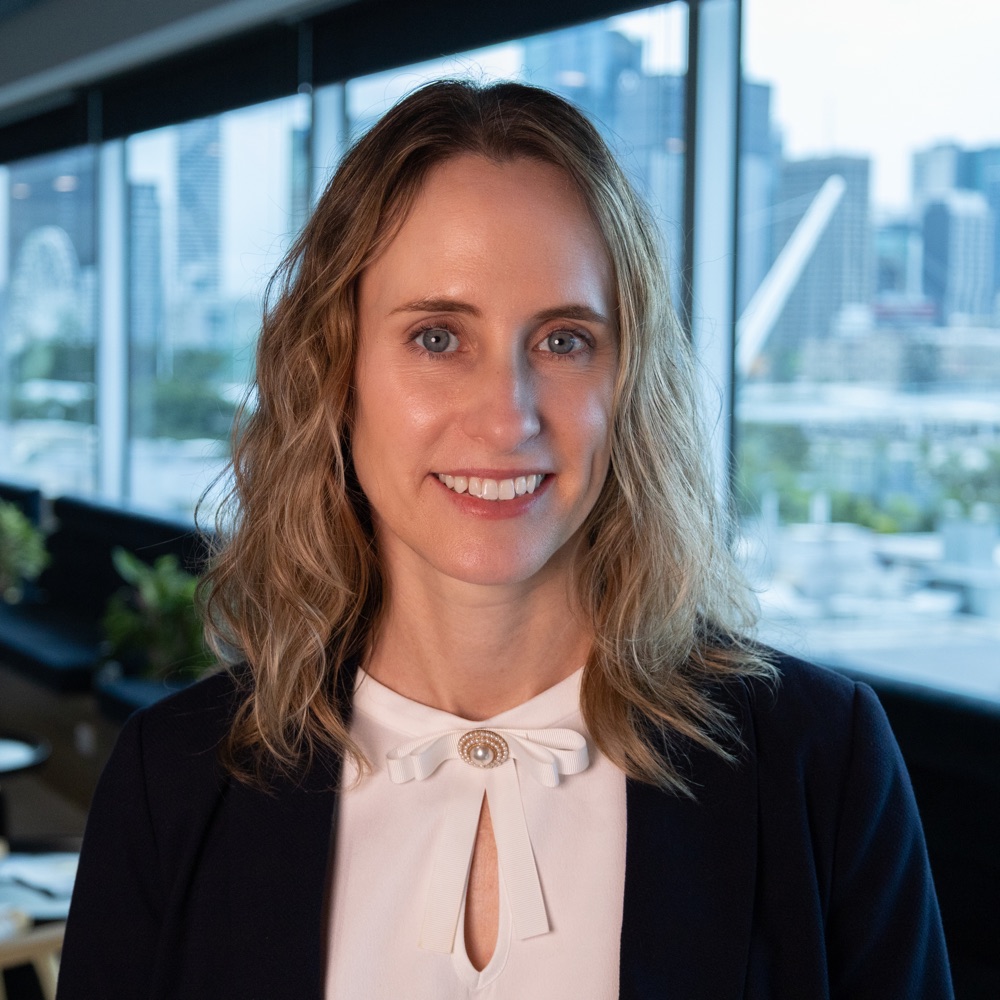
Nicole Dyson
Nicole Dyson

Nicole Dyson

Nicole Dyson is a multi-award-winning educator, entrepreneur and global authority on project-based learning and entrepreneurial pedagogy. A former school leader, she is founder of Future Anything and YouthX, Australia's only startup accelerator for school-aged entrepreneurs. Nicole was a 2026 Queensland Australian of the Year nominee and has featured on The Educator's “Most Influential” list for four years running.

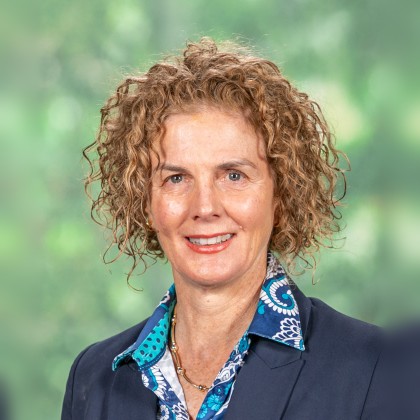
Bronwyn Ryrie Jones
Bronwyn Ryrie Jones

Bronwyn Ryrie Jones

Bronwyn Ryrie Jones is a teacher educator, instructional coach and professional learning designer. With a background in classroom teaching and graduate education (University of Melbourne), Bron is renowned for her deep and practical expertise in high-quality instruction. Bron has worked directly with over 30,000 teachers in Australia and abroad, developing explicit and responsive teaching practices on the ground.

Emina McLean
Emina McLean

Emina McLean

Emina McLean is a trusted literacy policy and implementation advisor with nearly two decades of experience across primary, secondary and tertiary education. Specialising in system-wide literacy improvement, she partners with state, Catholic and independent sectors on major reform initiatives, designing rigorous English and literacy approaches. Emina is also Head of English at Docklands Primary School and is completing her PhD at La Trobe University.

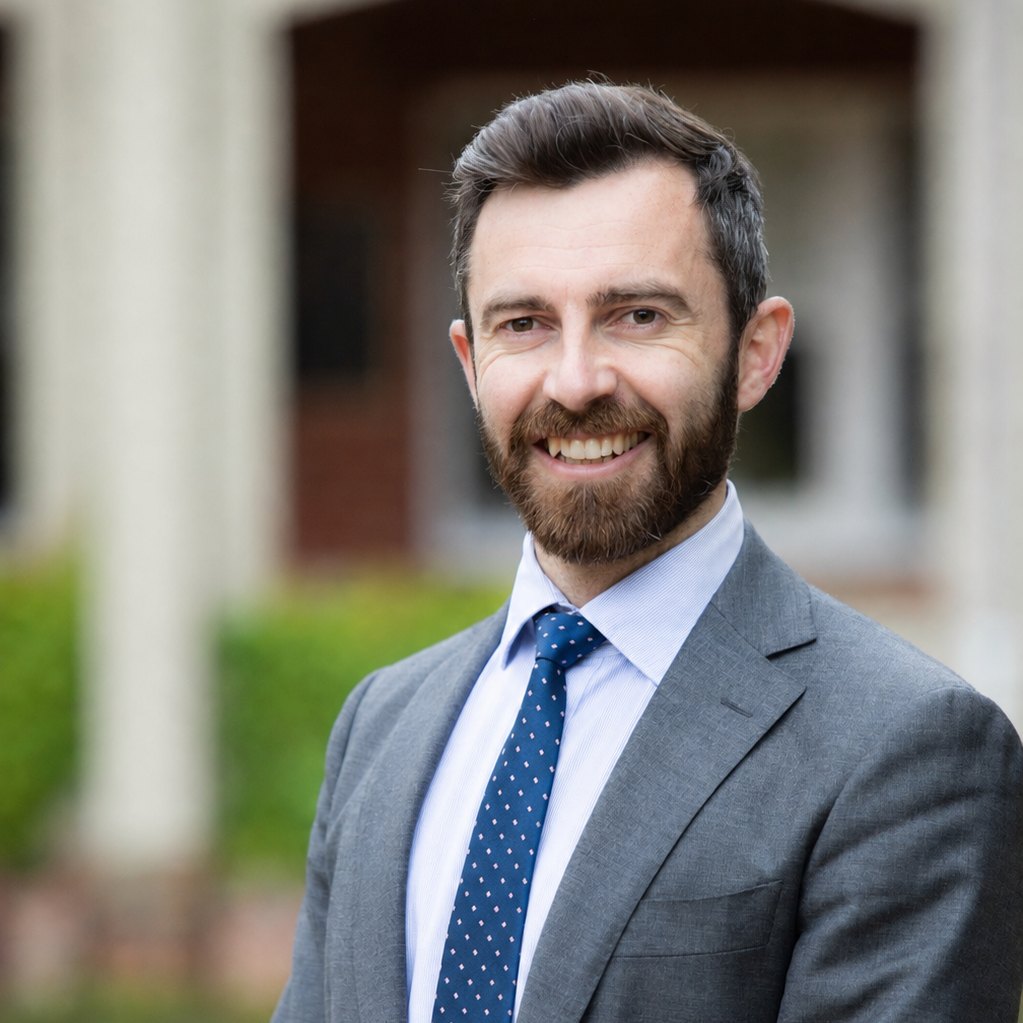
Rory McCaughey
Rory McCaughey

Rory McCaughey

As Director of Implementation for Steplab AU, Rory McCaughey helps schools and multi-school organisations across Australia and New Zealand design and sustain high-impact professional development. A former teacher, coach and school leader with 14 years in education, he holds a Master's in Cognitive Psychology and Education and co-created the Educate to Self-Regulate podcast.

Nathaniel Swain
Dr Nathaniel Swain

Dr Nathaniel Swain

Dr Nathaniel Swain is a teacher, instructional coach and writer. He is also a Senior Lecturer in Learning Sciences at La Trobe University's School of Education and SOLAR Lab. Nathaniel founded Think Forward Educators, a community of over 23,000 teachers committed to the science of learning, and writes the blog Dr Swain's Cognitorium. His latest book is titled Harnessing the Science of Learning.

Mark Dowley
Dr Mark Dowley

Dr Mark Dowley

Dr Mark Dowley is co-author of the Amazon best-selling Classroom Management Handbook and a teacher with 20 years' experience. He has held multiple school leadership positions and is currently Chair of Mastery Schools Victoria, which opened its first specialist school for disengaged students in 2025. Mark consults internationally on culture, belonging and behaviour, and completed his Doctor of Education at the University of Melbourne.

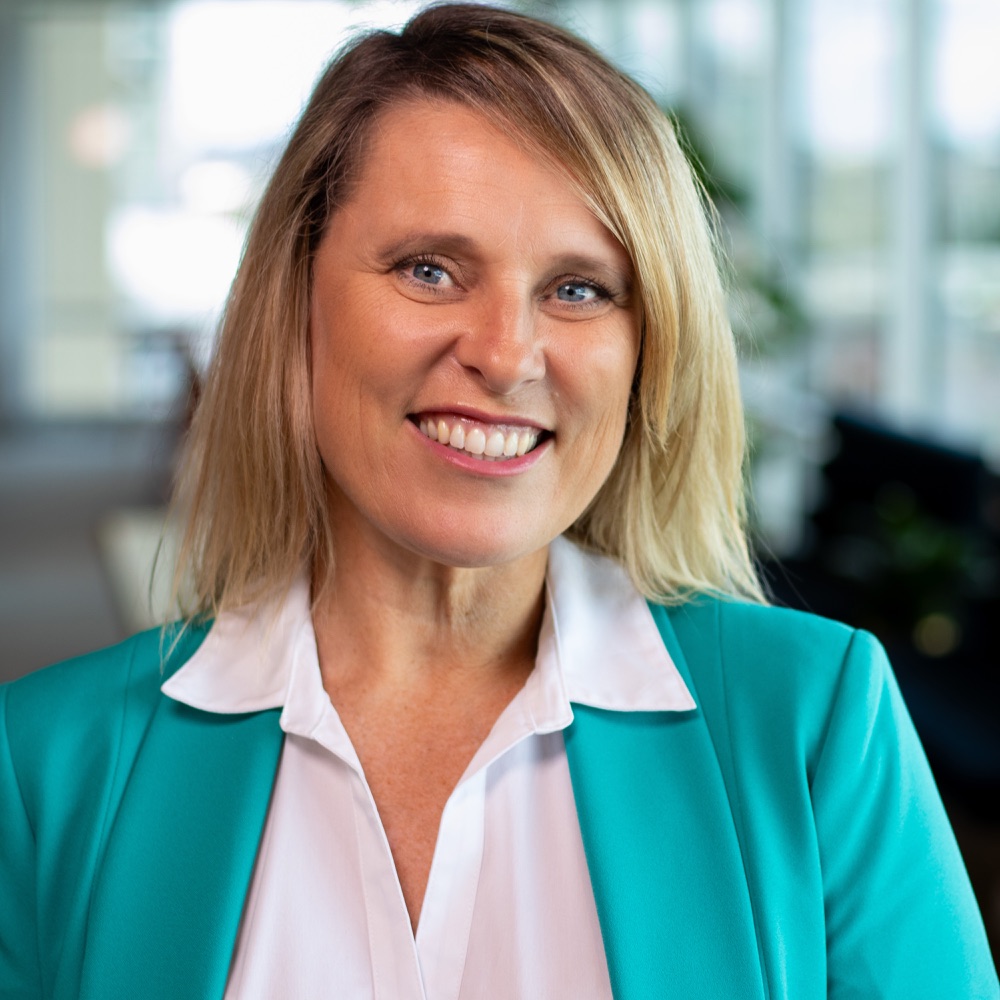
Phil Slade
Phil Slade

Phil Slade

Phil Slade is a psychologist, behavioural economist, author and co-founder of Switch4Schools, an award-winning platform helping schools build emotional intelligence and wellbeing. His work centres on Emotional Agency: the capacity to recognise, understand and intentionally influence our emotional responses under pressure. For over 20 years, Phil has delivered keynotes worldwide, including for the World Bank, Rotary International and Suncorp Group.

Caiti Wade
Caiti Wade

Caiti Wade

Caiti Wade is a mathematics teacher, Head of Pedagogy and Professional Practice at St Laurence's College, a cognitive science researcher and an education consultant. As the writer of The Disruptive Educator, Caiti focuses on translating educational research into practical approaches that recognise the complexities of real classrooms, with particular interest in schoolwide pedagogical improvement and professional learning.

Brendan Lee
Brendan Lee

Brendan Lee

Brendan Lee is an experienced primary school leader and educational consultant from NSW dedicated to bridging the gap between research and classroom practice. He has collaborated with AERO, the Grattan Institute, the Victorian Academy of Teaching and Leadership, and Think Forward Educators. Through his blog Learn with Lee and the podcast The Knowledge for Teachers, he shares practical, evidence-informed strategies.

Cate Whiting
Cate Whiting

Cate Whiting

Cate Whiting, Deputy Director Education Services at ISQ, is an experienced school leader and teaching and learning specialist whose expertise spans leadership, staff development, curriculum, pedagogy, inclusion and engagement. As Principal Teaching and Learning Specialist at the Australian Education Research Organisation (AERO), she developed practical guidance and tools to help teachers and school leaders implement evidence-based practices.

Louise Brauer
Louise Brauer

Louise Brauer

Louise Brauer is an experienced teacher and senior leader who holds the position of Teaching and Learning Manager at ISQ. She is responsible for the delivery of curriculum and pedagogy programs and provides advice to member schools on NSSAB education program compliance, curriculum, teaching and learning. Louise also has tertiary sector experience as a Teaching and Learning Consultant, with a focus on curriculum alignment and pedagogy.

Dr Louise McCuaig
Dr Louise McCuaig

Dr Louise McCuaig

Dr Louise McCuaig is Head of the Flinders Discovery Institute at Matthew Flinders Anglican College. Her leadership draws on 20 years at The University of Queensland, where she built an international reputation for translating research into school health policy, curriculum and assessment, serving as advisor and expert writer for ACARA and the QCAA. At Flinders, her research informs the Inspiring Futures youth leadership programs and the Flinders Framework for Teaching.

DAY 1 - Wednesday, 24 March 2027
7:30 amRegistration Opens
8:30 amDay 1 - Conference Commences

Opening Address

Acknowledgement to Country
8:45 amKeynote Presentations

Dr Jared Cooney Horvath
Deep Thinking Requires Deep Guidance
The 2025 Science of Learning Conference explored the learning trajectory—from surface learning to deep to transformative—and saw that deep thinking becomes increasingly important as learners move beyond foundational knowledge. But what happens in the brain when we wrestle with complex ideas, and what conditions encourage students to cognitively analyse information? It is often assumed that deep thinking requires freedom, but is this true? Or does deep thinking depend on the same careful structure, explicit guidance and deliberate support required during surface learning? In this keynote, we will explore the cognitive processes underlying deep thought and consider how teachers can best cultivate them. Perhaps unsurprisingly, the deepest thinking often emerges from the strongest guidance.

Emina McLean
Powerful Levers for Sustainable Impact in Schools
In this keynote, attendees will explore how to plan and enact purposeful, staged and collaborative efforts to lead for lasting impact. The presentation will also examine how leaders can navigate the complex tension between research and reality with responsiveness and flexibility, while bringing clarity to roles, systems and processes to build greater cohesion within their context.
10:15 amMorning Tea
11:00 amBreakout Session 1

Tom Sherrington
The Choreography of Inclusive Class Discussion
What are the best ways to run a class discussion so that it systematically involves every student in formulating ideas and participating in the exchange, rather than relying on the familiar few who are typically the most confident? This session will engage all participants in a series of practical activities that bring these strategies to life.

Dr Nathaniel Swain
Meaningful & Responsive Teaching as Pathways to Critical & Creative Thinking
In traditional debates between explicit and inquiry-based teaching, it’s often assumed that we cannot have our pedagogical cake and eat it too. In this interactive workshop, which exemplifies the kinds of responsive practices all teachers should employ, participants will deep-dive into practical applications of responsive whole-class teaching, exploring how to deliberately withdraw guidance as students move from novice to expert.

This session will examine key insights to avoid the less-than-ideal outcomes of both rigid adherence to plans and inadequate preparation (namely, how to avoid reactive, rigid or derivative teaching). Participants will also explore how explicit, responsive teaching (Mode A) provides the firmest foundation from which to launch into open-ended application alongside critical and creative thinking (Mode B). Ultimately, it is in this dynamic dance between teacher and student responsibility that true depth and breadth of student thought can be optimised and facilitated.

Dr Mark Dowley
Improving Student Culture and Behaviour in the Classroom
This session will share practical tools for maintaining student engagement after the instructional phase of a lesson. Topics covered include monitoring behaviour during independent work, facilitating effective group work and structuring research tasks. It will also present the latest research on behaviour in Australian education.

Phil Slade
Feel It. Use It. Grow It: The Science of Emotional Agency, Deliberate Practice and Finding the Fun in Getting Better
What if emotions weren’t something students needed to control before they could learn, but something they could learn to use? This practical and engaging breakout explores the science of Emotional Agency: helping students understand what they’re feeling, why they’re feeling it and how to use emotion intentionally to learn, connect and perform at their best.

Participants will explore why building emotional capability is just like building any other skill. Explicit teaching provides the knowledge and insight, daily practice builds the capability and finding the fun keeps students coming back long enough to get good at it. Drawing on neuroscience, behavioural science and the science of learning, this is an opportunity to unpack practical ways schools can move beyond occasional wellbeing activities to create repeated, everyday opportunities for students to practise emotional skills in the moments that matter. Expect science, practical strategies, a few laughs and ideas that can be used straightaway!

Rory McCaughey
Group Professional Development That Actually Works
This workshop tackles a key challenge for schools: making group professional development (PD) truly effective. Traditional one-to-many PD often falls short of improving teaching quality, and this session will explore why, alongside evidence of what works better. Attendees will gain practical strategies to design and deliver impactful, rehearsal-based PD, avoid common pitfalls and turn group workshops into drivers of meaningful instructional growth.

Caiti Wade
Same Maths. Different Question. Explicit Teaching for the Unexpected (Secondary)
In mathematics, success in application-style questions requires more than knowing a procedure: students need to recognise the mathematics embedded in an unfamiliar problem, select an appropriate approach and apply what they know in a new context.

This session explores how explicit instruction can be used to support students in generalising and adapting their mathematical knowledge for unfamiliar problems. Caiti will draw on her experience teaching and leading mathematics in a high-performing school, along with cognitive science research. Participants will discover practical approaches to prepare students for challenging questions and external exams.

Nicole Dyson
The Capability Toolkit for Your Classroom
Almost every school now names capabilities in its strategic plan or graduate profile. Far fewer can articulate how those capabilities get built lesson-by-lesson in real classrooms by busy teachers. Picking up where "The Origin of Agency" keynote presentation leaves off, this hands-on working session bridges the gap between high-level strategy and daily instruction. Using Future Anything's capability framework (or a relevant school's framework), participants will select one critical capability that matters most in their context and build a classroom toolkit to teach it.

In this session, educators will:
- Define their chosen capability in observable terms, identifying what it looks like, sounds like and produces in the classroom.
- Design two to three 10-15 minute "capability builders" that integrate directly into existing lessons, not alongside them.
- Build a simple reflection tool that helps students turn each dose of practice into transfer.
- Leave with a ready-to-run toolkit for one capability and a repeatable method to build out the rest.

Cate Whiting & Louise Brauer
Implementing a Whole-School Approach to the Science of Learning
This session will provide an overview of the research-backed whole-school approaches to teaching for how students learn and Independent School's Queensland's experiences supporting schools to implement these. We'll cover where to start, how to get everyone onboard and how to maintain momentum.

Dr Louise McCuaig
Inspiring Autonomous Pathways for Learning and Leadership Beyond School
Autonomy-supportive practices, grounded in Self-Determination Theory, offer novel initiatives for preparing secondary students for learning and leadership beyond school. Drawing on Johnmarshall Reeve’s scholarship (2012, 2013, 2018) on autonomy-supportive principles, agentic engagement and motivational climates, this session examines the Inspiring Futures Model (IF) developed through the Flinders Discovery Institute. Across the suite of IF programs at Flinders (including the Inspiring Women in Science and Health [I-WiSH] Conference, Leading Men and Youth Game Changers), autonomy is intentionally designed through opportunities for choice, meaningful contribution and reciprocal influence with role models and peers.

In this session, participants will:
- Explore how autonomy-supportive strategies drive student autonomy across both academic and non-academic contexts.
- Examine practical models that promote smoother, more resilient transitions into post-school pathways.
- Access ready-to-use resources from the IF program for direct implementation within their own school contexts.
12:10 pmBreakout Session 2

Dr Jared Cooney Horvath
Stress, Tech and Learning: A Dangerous Triumvirate
Sometimes it can make students laser-focused, and other times it leaves them floundering. What is the deal with stress, and why can it have so many different outcomes? During this session, participants will explore this topic, differentiate between good and bad stress, and examine the key tenets of a ‘student-teacher relationship’ that impact the stress cycle. Furthermore, we will examine the issue of digital technology and consider what impact computers have on student relationships, stress and learning. Spoiler alert: your intuitive assumptions about digital technology are probably correct.

Tom Sherrington
The Choreography of Inclusive Class Discussion
What are the best ways to run a class discussion so that it systematically involves every student in formulating ideas and participating in the exchange, rather than relying on the familiar few who are typically the most confident? This session will engage all participants in a series of practical activities that bring these strategies to life.

Emina McLean
How to Teach Vocabulary Across Grades and Subjects (Secondary)
This session explores the key principles and phases involved in building a coherent, whole-school vocabulary curriculum, with a particular focus on secondary education. It examines effective approaches to lesson design and delivery across subject areas, demonstrating how to move students beyond memorising definitions toward using rich, domain-specific vocabulary confidently and precisely in their speaking and writing.

Dr Mark Dowley
Improving Student Culture and Behaviour in the Classroom
This session will share practical tools for maintaining student engagement after the instructional phase of a lesson. Topics covered include monitoring behaviour during independent work, facilitating effective group work and structuring research tasks. It will also present the latest research on behaviour in Australian education.

Phil Slade
Feel It. Use It. Grow It: The Science of Emotional Agency, Deliberate Practice and Finding the Fun in Getting Better
What if emotions weren’t something students needed to control before they could learn, but something they could learn to use? This practical and engaging breakout explores the science of Emotional Agency: helping students understand what they’re feeling, why they’re feeling it and how to use emotion intentionally to learn, connect and perform at their best.

Participants will explore why building emotional capability is just like building any other skill. Explicit teaching provides the knowledge and insight, daily practice builds the capability and finding the fun keeps students coming back long enough to get good at it. Drawing on neuroscience, behavioural science and the science of learning, this is an opportunity to unpack practical ways schools can move beyond occasional wellbeing activities to create repeated, everyday opportunities for students to practise emotional skills in the moments that matter. Expect science, practical strategies, a few laughs and ideas that can be used straightaway!

Brendan Lee
Beyond the Basics: Teaching for Adaptation in the Classroom (Primary)
How do we move students from simply memorising procedures to flexibly applying their knowledge to novel problems? Teaching for adaptation requires a deliberate focus on ensuring students have both the skills and knowledge needed to succeed.

In this breakout session, attendees will:
- Explore how to help students organise information and tackle unfamiliar challenges with confidence.
- Unpack how Schema-Based Instruction and Schema-Broadening Instruction allow students to recognise underlying problem structures rather than relying on surface features.
- Discover how to equip students with robust attack strategies and utilise Talk Aloud Problem Solving to make invisible thinking visible.
- Develop actionable, classroom-ready tools to foster adaptable, independent learners.

Caiti Wade
Same Maths. Different Question. Explicit Teaching for the Unexpected (Secondary)
In mathematics, success in application-style questions requires more than knowing a procedure: students need to recognise the mathematics embedded in an unfamiliar problem, select an appropriate approach and apply what they know in a new context.

This session explores how explicit instruction can be used to support students in generalising and adapting their mathematical knowledge for unfamiliar problems. Caiti will draw on her experience teaching and leading mathematics in a high-performing school, along with cognitive science research. Participants will discover practical approaches to prepare students for challenging questions and external exams.

Cate Whiting & Louise Brauer
Implementing a Whole-School Approach to the Science of Learning
This session will provide an overview of the research-backed whole-school approaches to teaching for how students learn and Independent School's Queensland's experiences supporting schools to implement these. We'll cover where to start, how to get everyone onboard and how to maintain momentum.
1:15 pmLunch
2:15 pmKeynote Presentations

Rory McCaughey
How Can High-Quality Professional Learning Leverage Deep Thinking About Teacher Practice to Improve Student Learning?
Deep thinking shouldn't live in isolated pockets. It should be the norm in every classroom. But students can't think deeply in lessons unless teachers think deeply about their practice. In this keynote, Rory McCaughey, Director of Implementation (AU) for Steplab Australia, explores how schools can systematically build that thinking. Drawing on professional development research and Steplab’s work supporting over 200,000 teachers globally, Rory will examine what it takes for high-quality professional learning to deepen teachers' understanding of effective practice, embed it in ways that last and ultimately lift every student to think and struggle productively at a higher level.

Nicole Dyson
The Origin of Agency
Schools have spent a decade teaching resilience. But in a world defined by uncertainty, AI and constant change, resilience alone is no longer enough. The students who thrive won't just be the ones who recover from setbacks, but those who can act while still in motion. Drawing on her TEDxBrisbane talk, "The Power of Productive Friction", Nicole Dyson traces agency to its origin and shows why it is built through practice, not granted through permission.

In this high-energy, insight-rich session, educators will explore:
- Why school gets more predictable as students get older, right when life gets less predictable.
- The critical distinction between resilience and agility, and why that difference matters now.
- How "productive friction" (small, deliberate and well-designed doses of challenge) builds the capability underneath agency.
- Practical, curriculum-ready strategies that fit into any classroom in 10-15 minutes a week without adding to teacher workload.
3:45 pmClose Day One
3:45 pmNetworking Drinks
DAY 2 - Thursday, 25 March 2027
8:30 amDay 2 - Conference Commences
8:40 amKeynote Presentations

Tom Sherrington
Enacting a Rich, Engaging Curriculum: The Power of Mode B Teaching
This keynote will outline how strong "Mode A" instructional teaching—informed by the science of learning—can and should be complemented by a range of other learning modes ("Mode B") where students generally take the lead, develop agency and have opportunities to make choices and engage in longer, deeper learning projects. We will look at a range of examples to highlight the possibilities of this approach.

Bronwyn Ryrie Jones
Opportunities to Respond: The Engine Room of Engagement
Opportunities to Respond (OTR) are the lifeblood of interactive and responsive teaching. But what exactly are they? And how do we know if we are providing the right rate in the learning environment? In this practical and interactive keynote, Bron Ryrie Jones takes a deep dive into OTRs, equipping teachers with actionable tools they can use to monitor, refine and enhance their use of OTRs in the classroom.
10:10 amMorning Tea
11:00 amBreakout Session 3

Dr Jared Cooney Horvath
The Digital Delusion: Key Principles of Human Learning
There are currently more computers in Australian schools than there are students, and the EdTech market is slated to top $550 billion by the end of 2026. It certainly looks like digital technologies represent the future of education, but think again. During this session, participants will delve into the research and consider what impact computers truly have on student learning and development. This exploration will highlight several key principles of learning we can begin applying with students today. Furthermore, the session will explore the topic of AI to examine both what impact these tools already have (or have not) had on students' learning and what to expect if we adopt them in the future. Not for the faint of heart, this session cuts through the hype and shines a light into the often-ignored dark corners of EdTech.

Tom Sherrington
Implementing the Mode A, Mode B Approach
Building on the keynote presentation, this workshop will detail the practical steps teachers can take to build students' capacity to make good curriculum choices, lead lessons and produce open-ended learning projects of a very high standard, deepening their knowledge as well as building a range of personal skills.

Bronwyn Ryrie Jones
Stretching All Students
Adjusting opportunities to respond on the fly can be challenging, yet high-ability students often require deeper challenge. In this breakout, participants will explore techniques for stretching and extending our most capable learners. Featuring real-world examples across primary and secondary settings, this session provides actionable tools to elevate rigour for all students.

Emina McLean
How to Teach Vocabulary Across Grades and Subjects (Secondary)
This session explores the key principles and phases involved in building a coherent, whole-school vocabulary curriculum, with a particular focus on secondary education. It examines effective approaches to lesson design and delivery across subject areas, demonstrating how to move students beyond memorising definitions toward using rich, domain-specific vocabulary confidently and precisely in their speaking and writing.

Dr Nathaniel Swain
Meaningful & Responsive Teaching as Pathways to Critical & Creative Thinking
In traditional debates between explicit and inquiry-based teaching, it’s often assumed that we cannot have our pedagogical cake and eat it too. In this interactive workshop, which exemplifies the kinds of responsive practices all teachers should employ, participants will deep-dive into practical applications of responsive whole-class teaching, exploring how to deliberately withdraw guidance as students move from novice to expert.

This session will examine key insights to avoid the less-than-ideal outcomes of both rigid adherence to plans and inadequate preparation (namely, how to avoid reactive, rigid or derivative teaching). Participants will also explore how explicit, responsive teaching (Mode A) provides the firmest foundation from which to launch into open-ended application alongside critical and creative thinking (Mode B). Ultimately, it is in this dynamic dance between teacher and student responsibility that true depth and breadth of student thought can be optimised and facilitated.

Dr Mark Dowley
Improving Student Culture and Behaviour in the Classroom
This session will share practical tools for maintaining student engagement after the instructional phase of a lesson. Topics covered include monitoring behaviour during independent work, facilitating effective group work and structuring research tasks. It will also present the latest research on behaviour in Australian education.

Caiti Wade
Same Maths. Different Question. Explicit Teaching for the Unexpected (Secondary)
In mathematics, success in application-style questions requires more than knowing a procedure: students need to recognise the mathematics embedded in an unfamiliar problem, select an appropriate approach and apply what they know in a new context.

This session explores how explicit instruction can be used to support students in generalising and adapting their mathematical knowledge for unfamiliar problems. Caiti will draw on her experience teaching and leading mathematics in a high-performing school, along with cognitive science research. Participants will discover practical approaches to prepare students for challenging questions and external exams.

Brendan Lee
Beyond the Basics: Teaching for Adaptation in the Classroom (Primary)
How do we move students from simply memorising procedures to flexibly applying their knowledge to novel problems? Teaching for adaptation requires a deliberate focus on ensuring students have both the skills and knowledge needed to succeed.

In this breakout session, attendees will:
- Explore how to help students organise information and tackle unfamiliar challenges with confidence.
- Unpack how Schema-Based Instruction and Schema-Broadening Instruction allow students to recognise underlying problem structures rather than relying on surface features.
- Discover how to equip students with robust attack strategies and utilise Talk Aloud Problem Solving to make invisible thinking visible.
- Develop actionable, classroom-ready tools to foster adaptable, independent learners.

Cate Whiting & Louise Brauer
Implementing a Whole-School Approach to the Science of Learning
12:10 pmBreakout Session 4

Dr Jared Cooney Horvath
The Digital Delusion: Key Principles of Human Learning
There are currently more computers in Australian schools than there are students, and the EdTech market is slated to top $550 billion by the end of 2026. It certainly looks like digital technologies represent the future of education, but think again. During this session, participants will delve into the research and consider what impact computers truly have on student learning and development. This exploration will highlight several key principles of learning we can begin applying with students today. Furthermore, the session will explore the topic of AI to examine both what impact these tools already have (or have not) had on students' learning and what to expect if we adopt them in the future. Not for the faint of heart, this session cuts through the hype and shines a light into the often-ignored dark corners of EdTech.

Tom Sherrington
Implementing the Mode A, Mode B Approach
Building on the keynote presentation, this workshop will detail the practical steps teachers can take to build students' capacity to make good curriculum choices, lead lessons and produce open-ended learning projects of a very high standard, deepening their knowledge as well as building a range of personal skills.

Nicole Dyson
The Capability Toolkit for Your Classroom
Almost every school now names capabilities in its strategic plan or graduate profile. Far fewer can articulate how those capabilities get built lesson-by-lesson in real classrooms by busy teachers. Picking up where "The Origin of Agency" keynote presentation leaves off, this hands-on working session bridges the gap between high-level strategy and daily instruction. Using Future Anything's capability framework (or a relevant school's framework), participants will select one critical capability that matters most in their context and build a classroom toolkit to teach it.

In this session, educators will:
- Define their chosen capability in observable terms, identifying what it looks like, sounds like and produces in the classroom.
- Design two to three 10-15 minute "capability builders" that integrate directly into existing lessons, not alongside them.
- Build a simple reflection tool that helps students turn each dose of practice into transfer.
- Leave with a ready-to-run toolkit for one capability and a repeatable method to build out the rest.

Bronwyn Ryrie Jones
Stretching All Students
Adjusting opportunities to respond on the fly can be challenging, yet high-ability students often require deeper challenge. In this breakout, participants will explore techniques for stretching and extending our most capable learners. Featuring real-world examples across primary and secondary settings, this session provides actionable tools to elevate rigour for all students.

Dr Nathaniel Swain
Meaningful & Responsive Teaching as Pathways to Critical & Creative Thinking
In traditional debates between explicit and inquiry-based teaching, it’s often assumed that we cannot have our pedagogical cake and eat it too. In this interactive workshop, which exemplifies the kinds of responsive practices all teachers should employ, participants will deep-dive into practical applications of responsive whole-class teaching, exploring how to deliberately withdraw guidance as students move from novice to expert.

This session will examine key insights to avoid the less-than-ideal outcomes of both rigid adherence to plans and inadequate preparation (namely, how to avoid reactive, rigid or derivative teaching). Participants will also explore how explicit, responsive teaching (Mode A) provides the firmest foundation from which to launch into open-ended application alongside critical and creative thinking (Mode B). Ultimately, it is in this dynamic dance between teacher and student responsibility that true depth and breadth of student thought can be optimised and facilitated.

Phil Slade
Feel It. Use It. Grow It: The Science of Emotional Agency, Deliberate Practice and Finding the Fun in Getting Better
What if emotions weren’t something students needed to control before they could learn, but something they could learn to use? This practical and engaging breakout explores the science of Emotional Agency: helping students understand what they’re feeling, why they’re feeling it and how to use emotion intentionally to learn, connect and perform at their best.

Participants will explore why building emotional capability is just like building any other skill. Explicit teaching provides the knowledge and insight, daily practice builds the capability and finding the fun keeps students coming back long enough to get good at it. Drawing on neuroscience, behavioural science and the science of learning, this is an opportunity to unpack practical ways schools can move beyond occasional wellbeing activities to create repeated, everyday opportunities for students to practise emotional skills in the moments that matter. Expect science, practical strategies, a few laughs and ideas that can be used straightaway!

Rory McCaughey
Group Professional Development That Actually Works
This workshop tackles a key challenge for schools: making group professional development (PD) truly effective. Traditional one-to-many PD often falls short of improving teaching quality, and this session will explore why, alongside evidence of what works better. Attendees will gain practical strategies to design and deliver impactful, rehearsal-based PD, avoid common pitfalls and turn group workshops into drivers of meaningful instructional growth.

Caiti Wade
Same Maths. Different Question. Explicit Teaching for the Unexpected (Secondary)
In mathematics, success in application-style questions requires more than knowing a procedure: students need to recognise the mathematics embedded in an unfamiliar problem, select an appropriate approach and apply what they know in a new context.

This session explores how explicit instruction can be used to support students in generalising and adapting their mathematical knowledge for unfamiliar problems. Caiti will draw on her experience teaching and leading mathematics in a high-performing school, along with cognitive science research. Participants will discover practical approaches to prepare students for challenging questions and external exams.

Dr Louise McCuaig
Inspiring Autonomous Pathways for Learning and Leadership Beyond School
Almost every school now names capabilities in its strategic plan or graduate profile. Far fewer can articulate how those capabilities get built lesson-by-lesson in real classrooms by busy teachers. Picking up where "The Origin of Agency" keynote presentation leaves off, this hands-on working session bridges the gap between high-level strategy and daily instruction. Using Future Anything's capability framework (or a relevant school's framework), participants will select one critical capability that matters most in their context and build a classroom toolkit to teach it.

In this session, educators will:
- Define their chosen capability in observable terms, identifying what it looks like, sounds like and produces in the classroom.
- Design two to three 10-15 minute "capability builders" that integrate directly into existing lessons, not alongside them.
- Build a simple reflection tool that helps students turn each dose of practice into transfer.
- Leave with a ready-to-run toolkit for one capability and a repeatable method to build out the rest.
1:15 pmLunch
2:15 pmKeynote Presentation

Dr Jared Cooney Horvath
Why Does School Exist?
Currently, fierce battles are raging across several educational fronts. Should schools embrace explicit teaching or project-based learning? Should students spend more time acquiring knowledge or developing skills? Interestingly, these debates rarely arise with the same intensity in military academies, religious schools or arts academies. Why? Because those institutions possess a clear sense of purpose. In mainstream education, however, we continually debate methods without first agreeing on the outcome those methods are meant to achieve. Which pedagogy is superior? Well...superior for what? Which curriculum should we adopt? Well...curriculum for what?

In this keynote, participants will examine the prevailing narrative of modern education, explore how that narrative arose and consider several compelling alternatives. Before we can decide how schools should work (and how deep thinking should manifest), we must decide what we want them to accomplish.
2:55 pmExpert Panel
3:25 pmClosing Remarks
3:35 pmConference Closes

Matthew Flinders Anglican College is a leading, independent, co-educational K-12 school on the Sunshine Coast, Queensland. The College is located in Buderim, in the heart of the Coast, on a beautiful 22-hectare rainforest-fringed campus. The nearest surf beach is Mooloolaba Beach, just a 10-15-minute drive away.

Photo of Matthew Flinders Anglican College

The Sunshine Coast Airport is ideally situated in the heart of the Sunshine Coast with direct flights from Sydney, Melbourne, Adelaide and Auckland, New Zealand available across a range of carriers and connections to the world. The Sunshine Coast is just over one hour by road north of Brisbane, Queensland’s state capital.

Photo of Mooloolaba Beach

Our official accommodation partner, Avani Mooloolaba Beach Hotel, is offering exclusive discounted rates to all ticket holders for the duration of the 2027 Science of Learning Conference. You will receive access to your special booking discount once your conference registration is confirmed.


Avani Mooloolaba Beach Hotel

Avani Mooloolaba Beach Hotel
Make the most of your conference stay on the Sunshine Coast! Our official accommodation partner, Avani, is offering exclusive discounted rates to all ticket holders for the duration of the 2027 Science of Learning Conference. You will receive access to your special booking discount once your conference registration is confirmed.

For more information, visit their website: www.avanihotels.com


Schoolbox

Schoolbox
Schoolbox is an Australian K-12 education platform bringing learning, communication and pastoral care together in one connected environment.

For more than 25 years, Schoolbox has worked with schools to support teaching and learning, assessment, reporting, student wellbeing and engagement across the wider school community.

Built specifically for schools, the platform is flexible enough to reflect each school’s own structures, priorities and ways of working, while integrating with the systems they already rely on.

Schoolbox is used by leading schools across Australia and internationally, with ongoing product development shaped by educators and the needs of the school communities it supports.

For more information, visit their website: schoolbox.education


Switch4Schools

Switch4Schools
Switch4Schools is emotional architecture for schools. By combining multiple SEL platforms into one system, Switch provides a real whole-school solution for emotional health. Daily emotional check-ins, evidence-based regulation strategies, curriculum-aligned lessons and real-time wellbeing insights all come together in one place.

Switch is built, and continues to be enhanced, by psychologists, teachers, digital learning experts, data scientists, and world-class designers. The Switch solution makes emotional health visible, measurable, and actionable: turning check-in data into live dashboards, flagging alerts before concerns become incidents, and providing access to over 500 SEL resources including Switches, lesson plans and activities, video resources, and printables.

Today, Switch supports over 300 schools and 80,000+ users across 8 countries, and has powered more than 4.5 million check-ins worldwide.

Our mission is simple: to see transformed and thriving communities by enhancing emotional health and wellbeing.

Emotional Health Tools. For Everyone. Everyday.

For more information, visit their website: www.switch4schools.com.au


McGraw Hill

McGraw Hill
McGraw Hill supports schools in Australia and New Zealand with research-based literacy and numeracy programs designed to help teachers deliver structured, explicit instruction and improve outcomes for learners. Our range includes evidence-based resources for core instruction, intervention and targeted support, backed by professional learning and implementation support for schools.

Our trusted Direct Instruction programs include Spelling Mastery, Corrective Reading, Reading Mastery and Connecting Maths Concepts. These programs use carefully sequenced instruction, guided practice, ongoing assessment and systematic skill development to help students build knowledge and progress towards mastery.

From building strong foundations in spelling and reading to supporting students who require targeted literacy intervention and developing confident mathematical thinkers, McGraw Hill provides educators with practical, evidence-based approaches that support explicit teaching in the classroom. We also offer professional learning and implementation support to help schools build teacher confidence and deliver programs effectively.

For more information, visit their website: www.mheducation.com.au/schools
Compnow

Compnow — Network Drinks Sponsor
Compnow are committed to empowering schools and educators with the latest knowledge and tools through our specialised training programs and industry expertise. 

Our national team supports teachers and learning specialists in staying at the forefront of how students learn. We offer tailored sessions that provide practical strategies to enhance teaching outcomes, including in-classroom support, coaching, and professional development. We've got you covered!

Through the Compnow Academy, we offer a comprehensive product range designed to help teachers incorporate these insights in the classrooms together. Along with hands-on workshops and online courses, Compnow’s training ensures educators can effectively apply current technology alongside Science of Learning techniques, transforming classrooms and boosting student engagement and success.

As a trusted partner in education, we are dedicated to helping your school drive positive change in today’s ever-evolving learning environment.

For more information, visit their website: www.compnow.com.au


Studentnet

Studentnet
Today's schools must build their communities working with members including staff, students, parents as well as infrastructure and institutions. Studentnet® helps you build and protect your community through a suite of identity related facilities being: SmartID™, EasyID™, AuthentID™ and PlatformID™.   These are standards-compliant  modules you can use separately or together to enhance the identity of your school through building trust and confidence with your complex community.

For more information, visit their website: studentnet.net

Request Our College

Prospectus

Request our Prospectus

Book a Personalised

College Tour

Book Your Tour