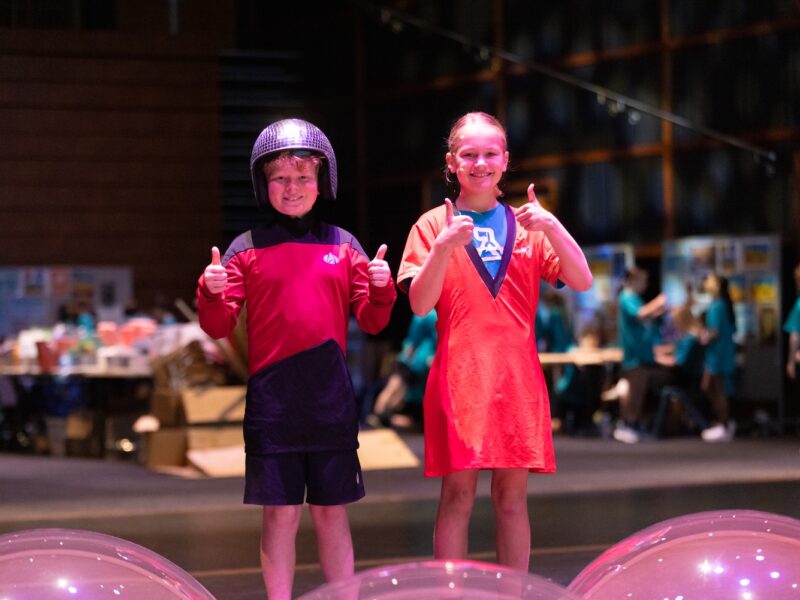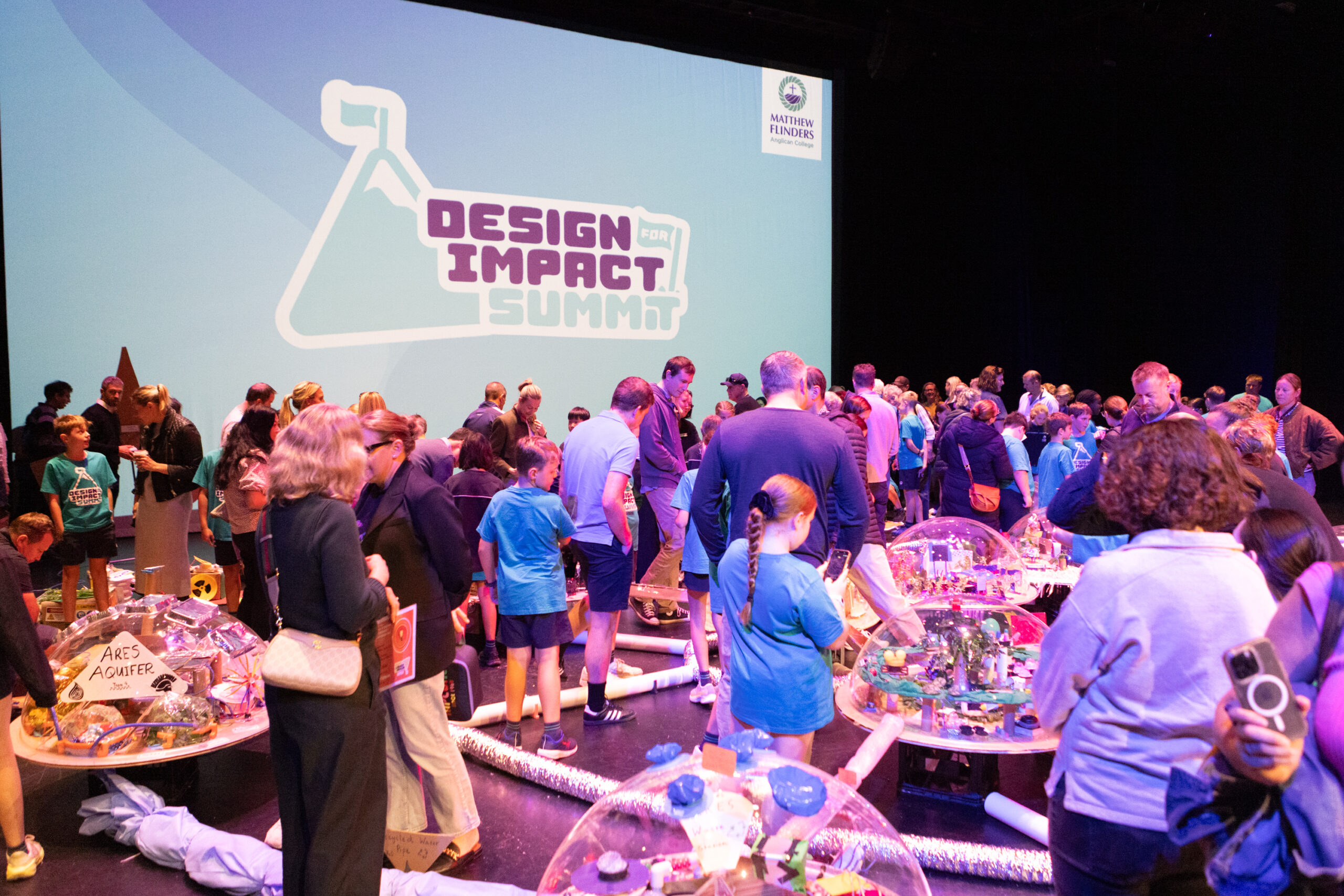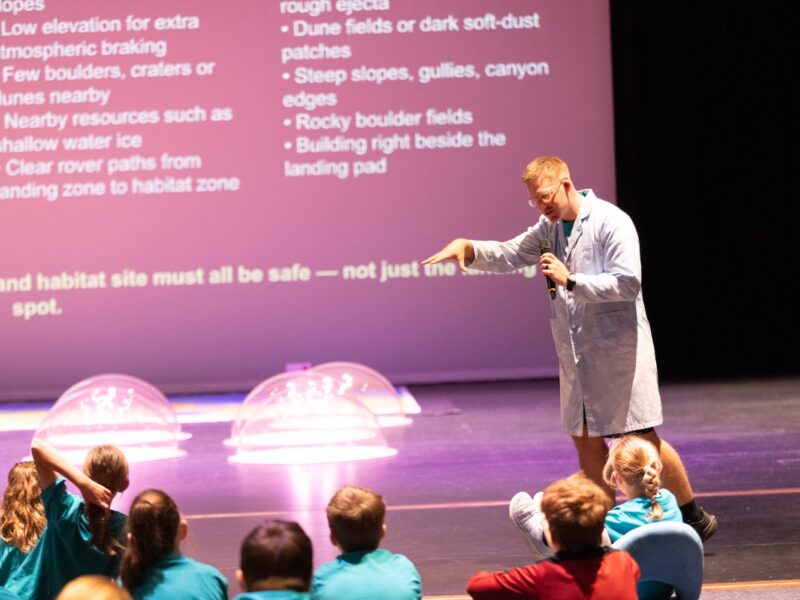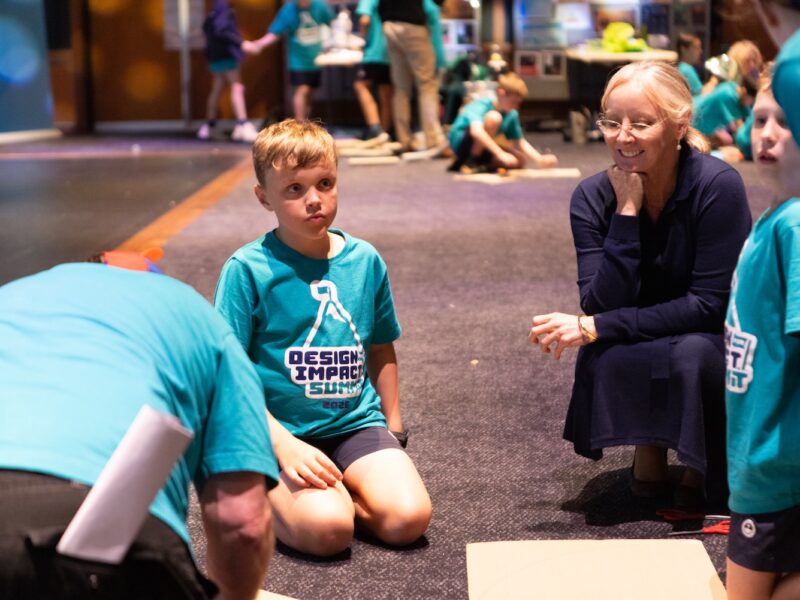
The Year 5 community of Matthew Flinders Anglican College is buzzing following the success of the seventh annual Flinders Design for Impact Summit, held from 15 to 17 July.
The three-day immersion experience challenged 106 Year 5 students to put their growing skills in human-centred design thinking to the test in the College’s state-of-the-art Performance Centre.
Their mission? Use the design thinking framework (empathise, define, ideate, prototype, test) to answer an epic real-world question:
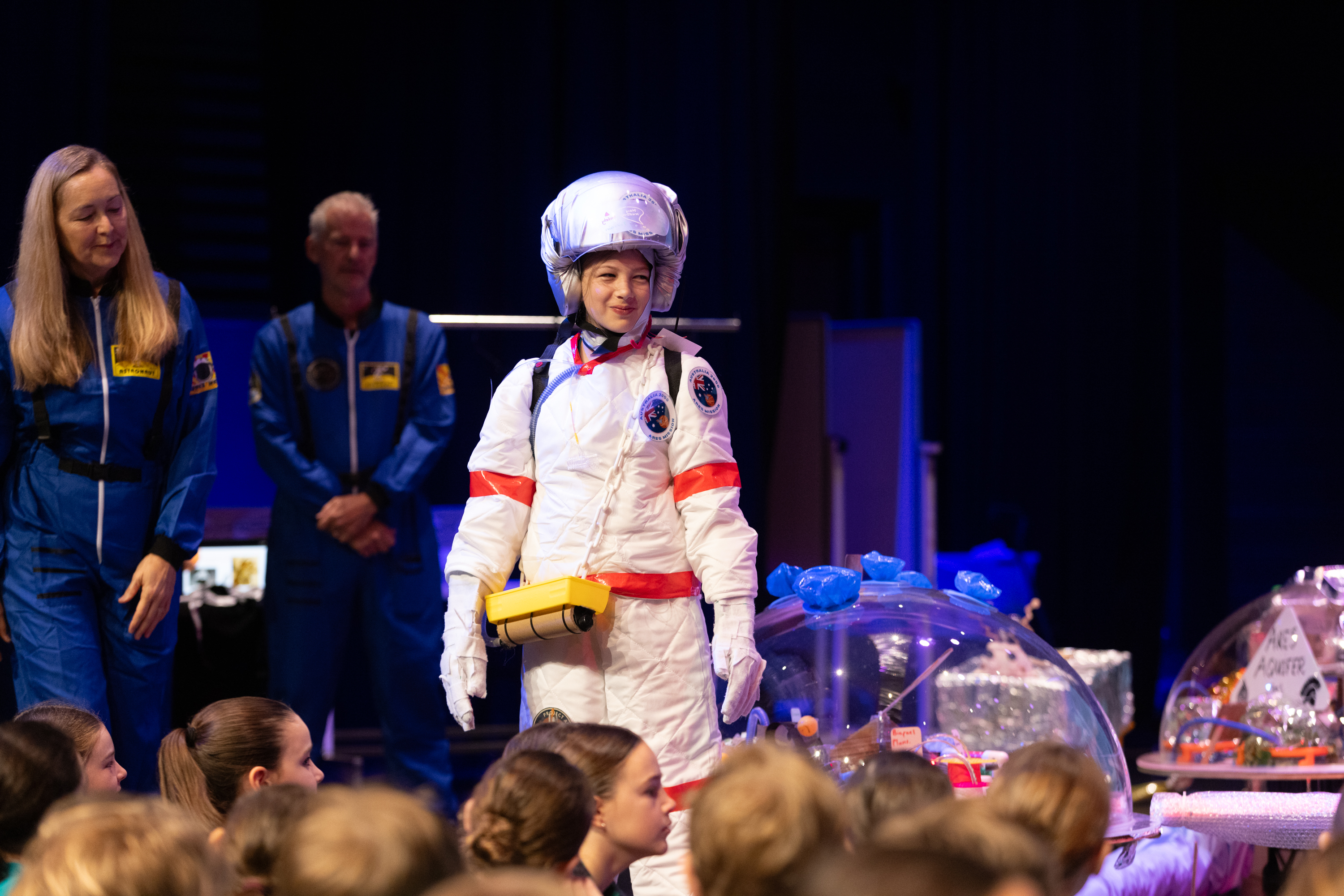
"How might we design the first colony to sustain human life on Mars by 2050?”
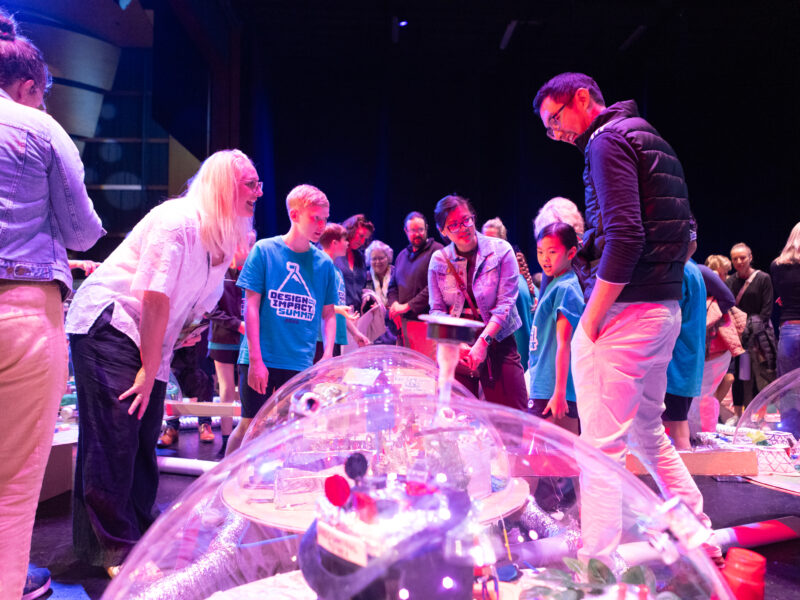
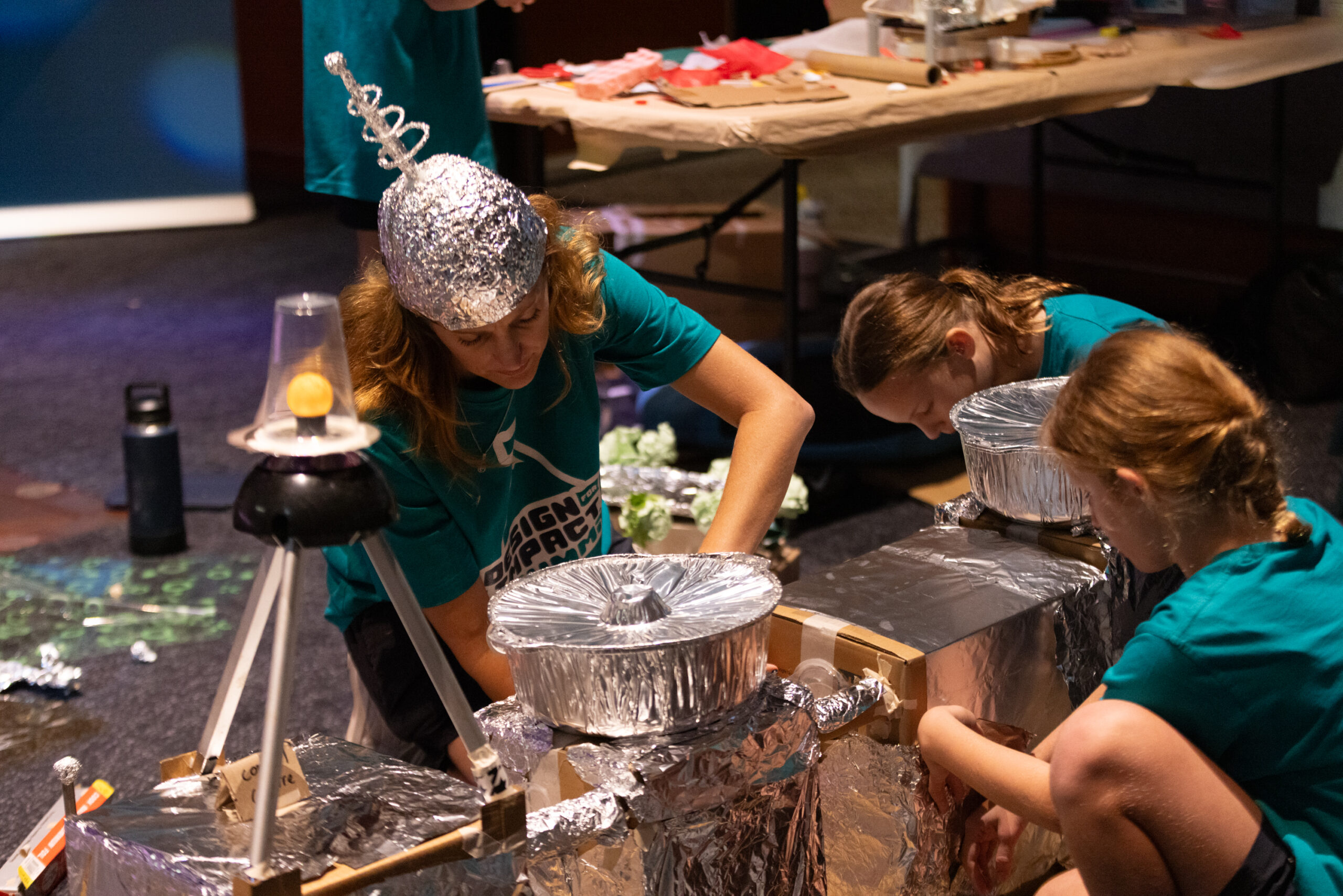
Over the course of the Summit, the students’ thinking was stretched, disrupted and thoroughly put to the test to create their large-scale interdependent prototypes as a vision for life on Mars in 2050.
The Mission Support Crew
The immersion experience was supported by a dedicated team, including:
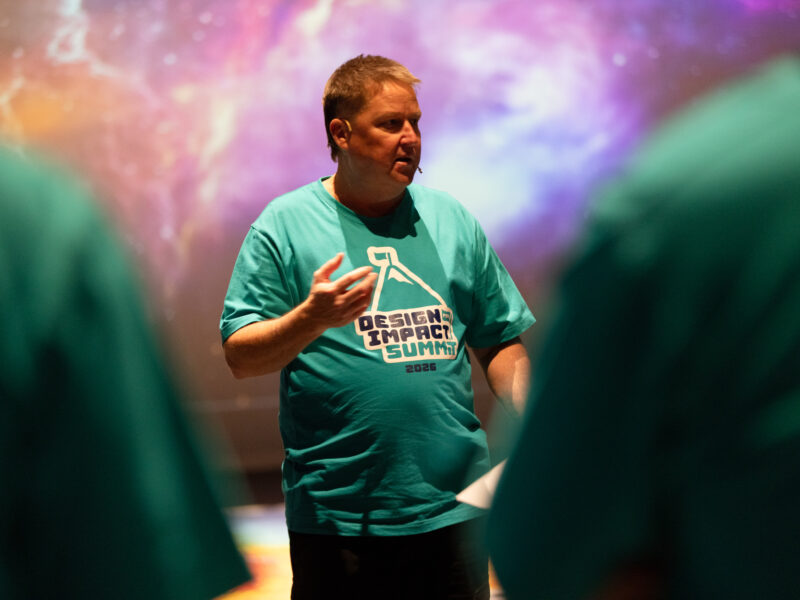
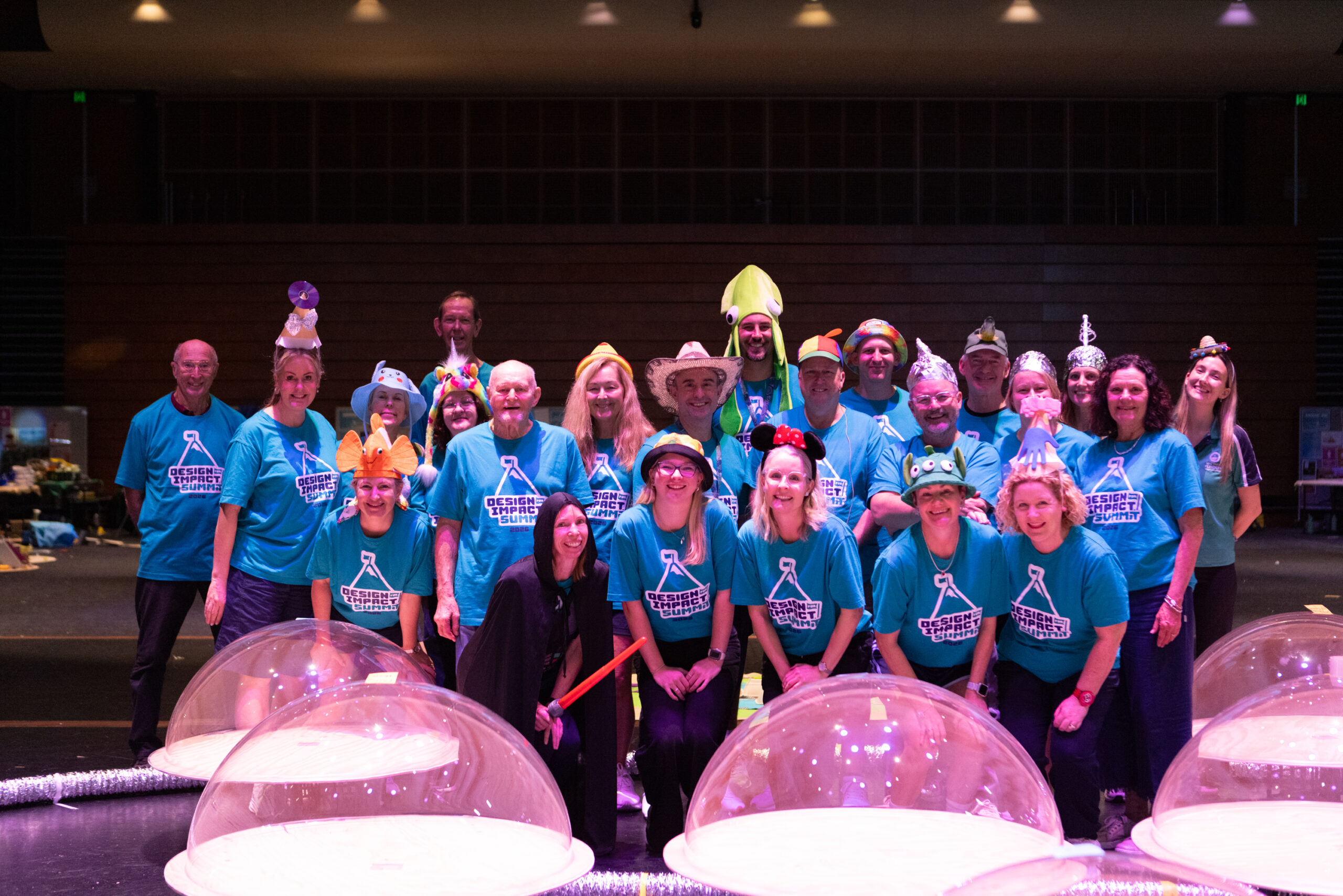
- 35 Flinders Primary Staff who guided students through every stage of the project. The summit was led by Teacher of Enterprise and Curiosity Mr Justin Hill and the Year 5 teaching team.
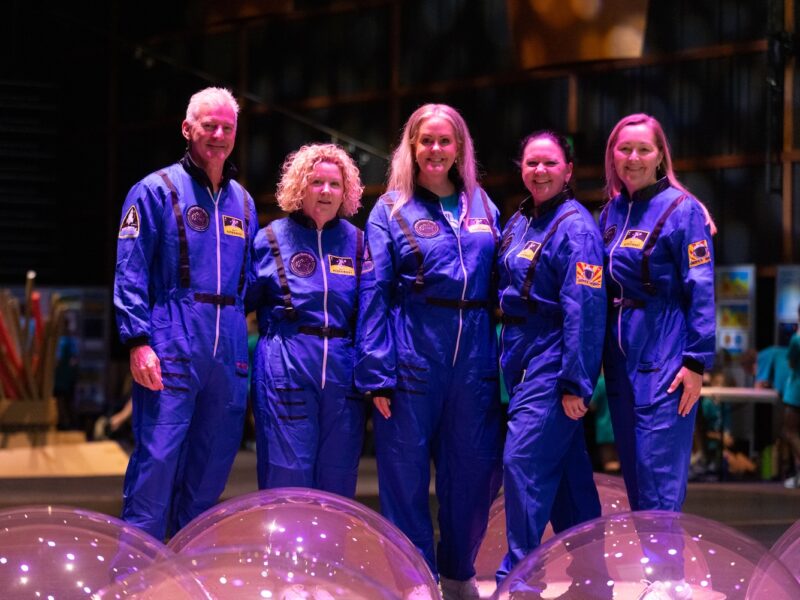
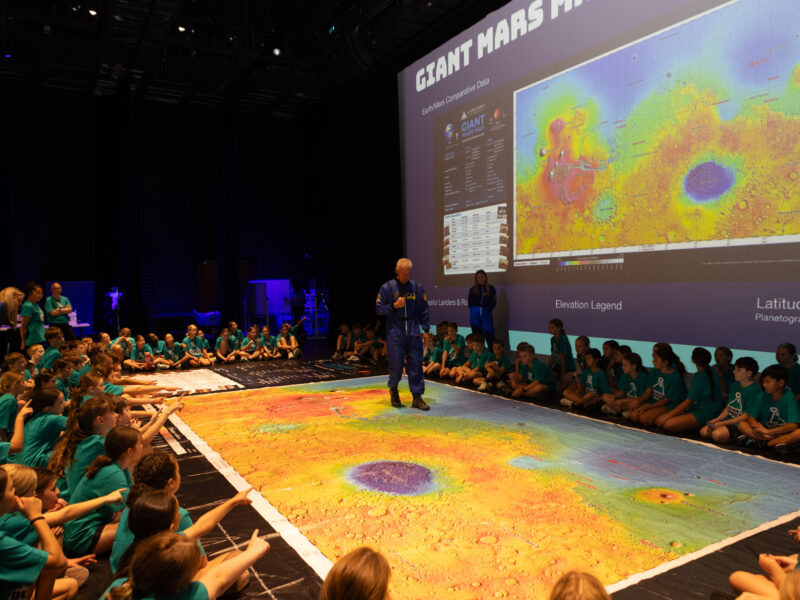
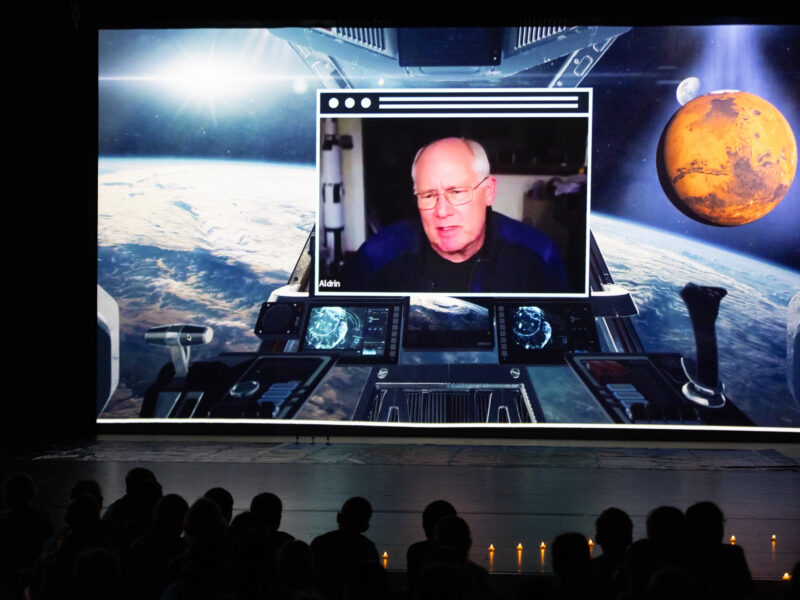
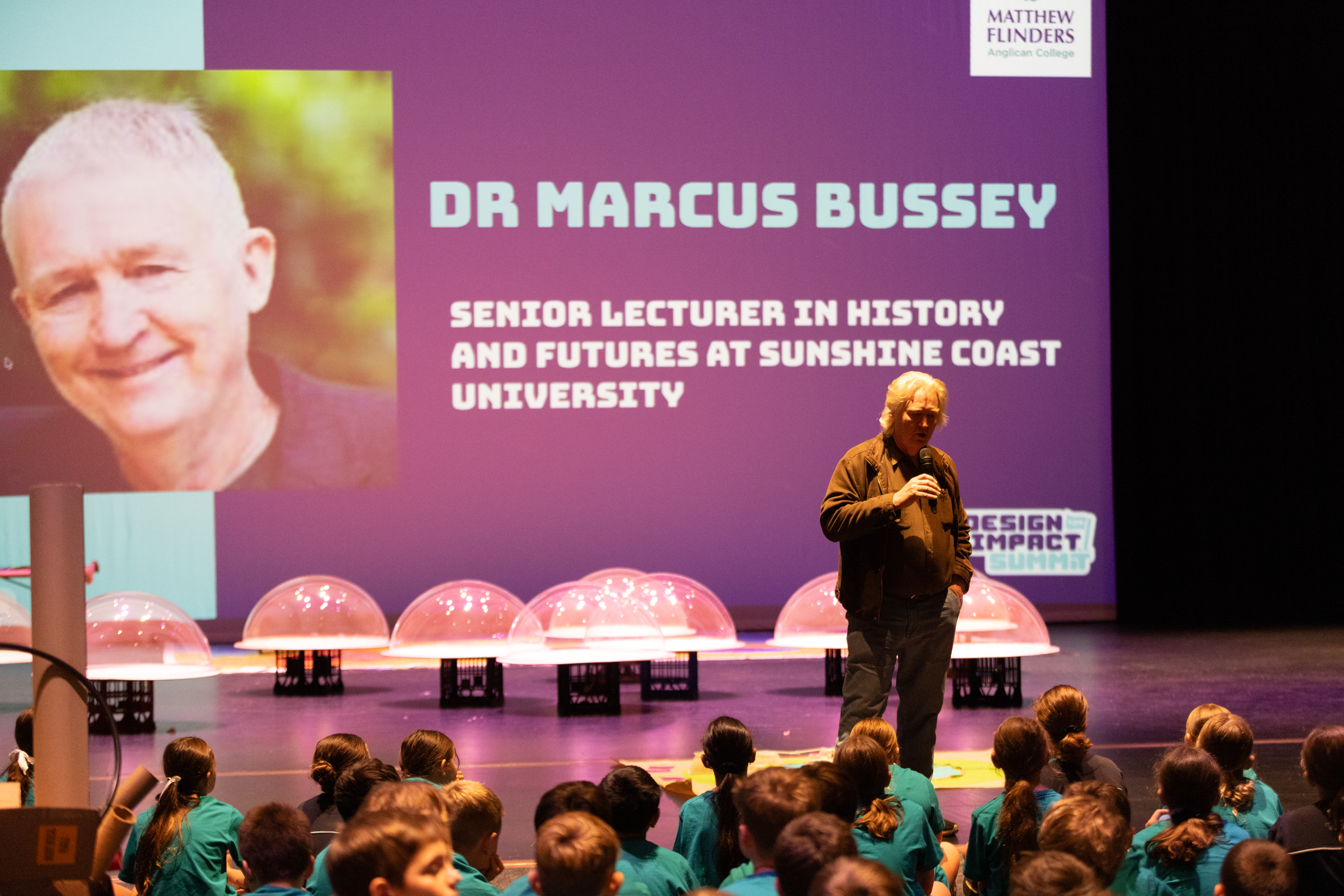
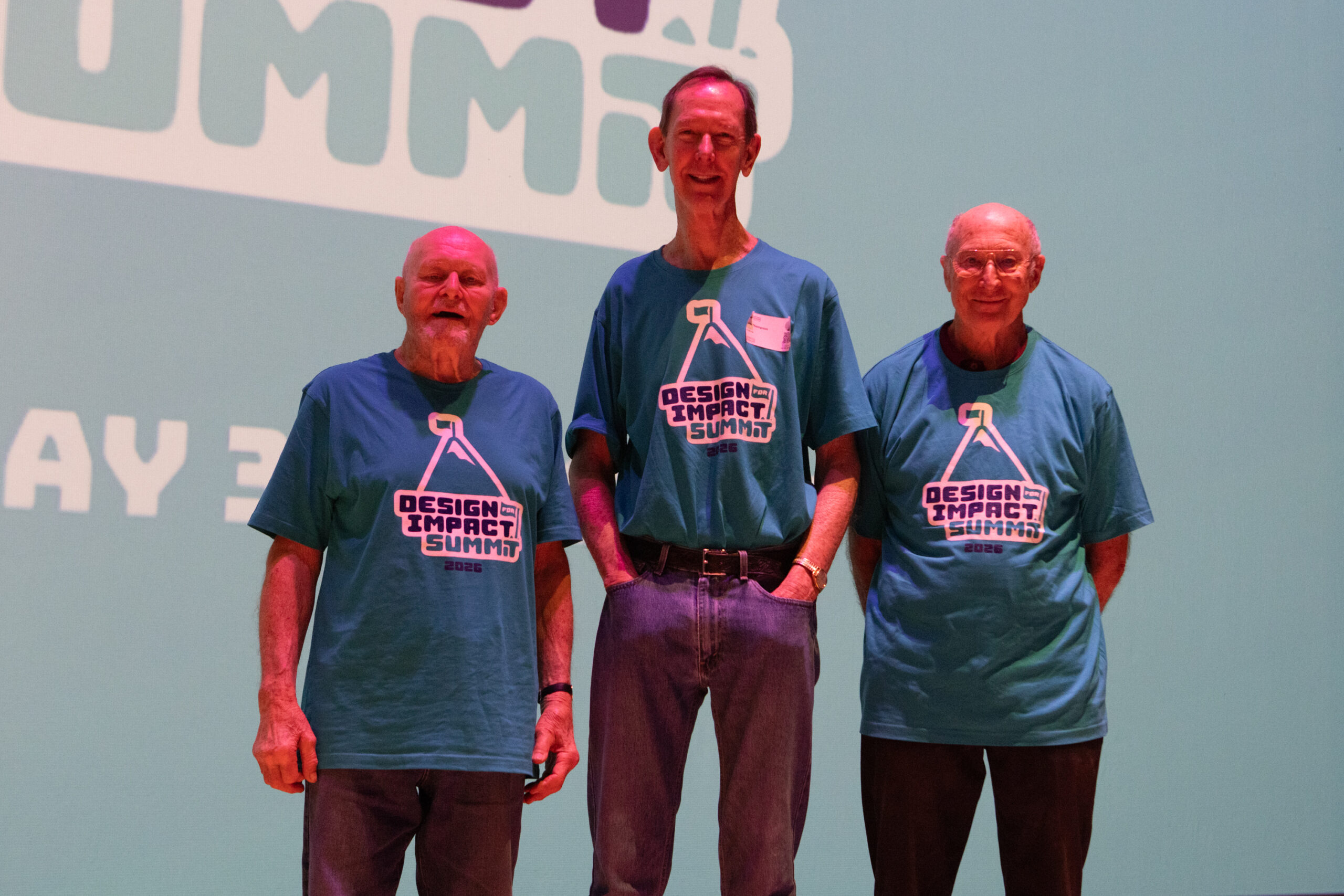
- Keynote Speakers & Guest Mentors providing real-world insight and research, including space experts such as Andy Aldrin (Aldrin Family Foundation), Dr Marcus Bussey (University of Sunshine Coast), Professor Scott Sleap (University of Sydney), alongside representatives from the Australian Space Agency and talented volunteers from the Buderim Men's Shed.
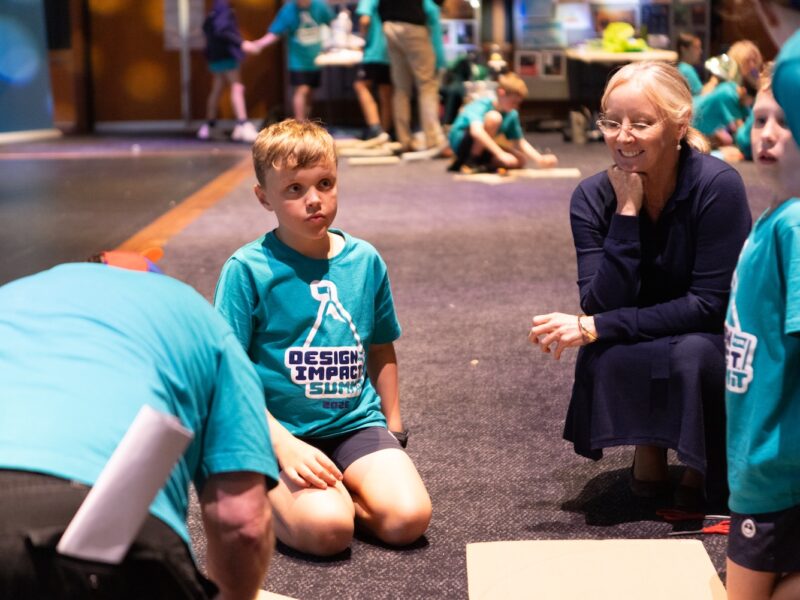
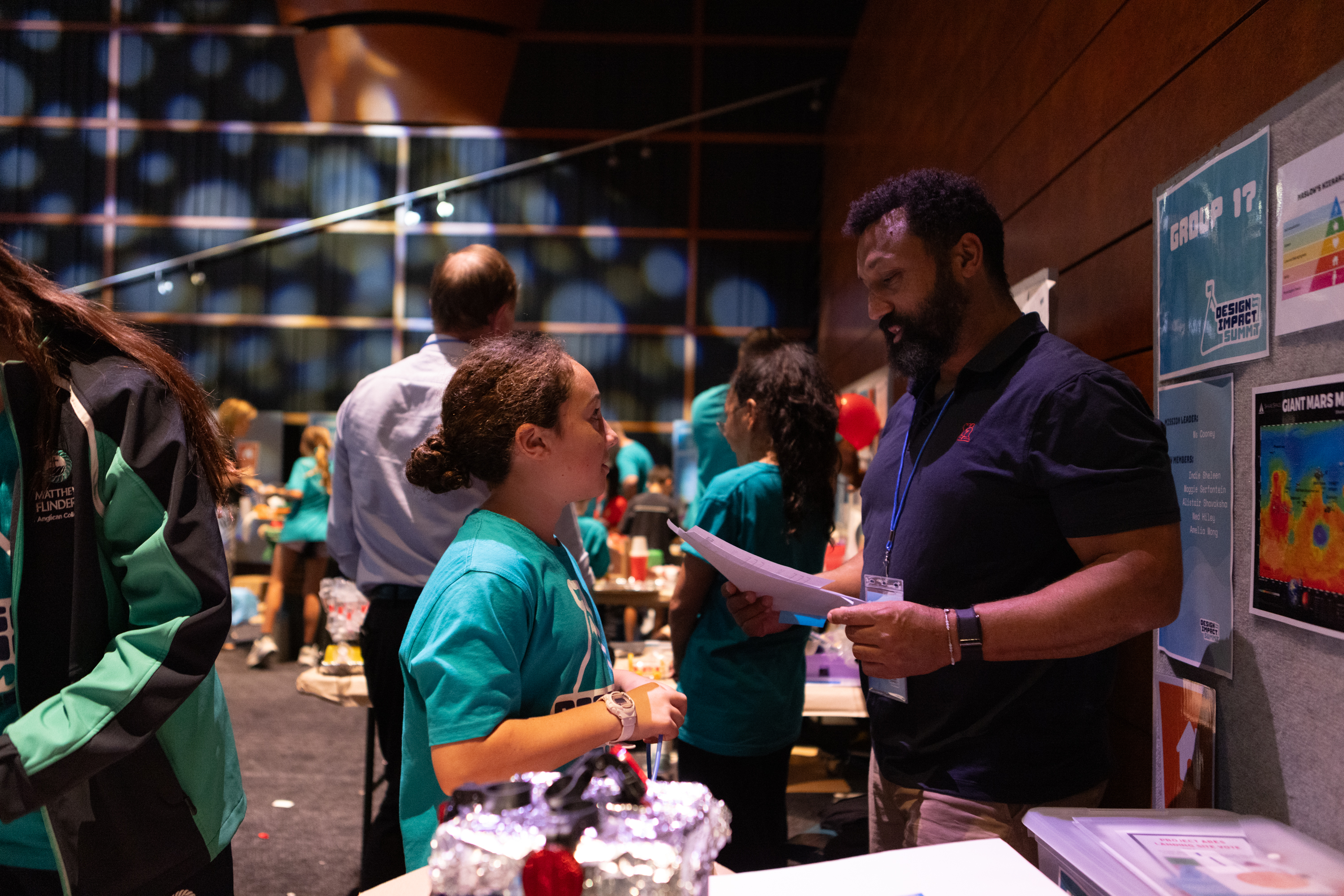
- 20+ Community Experts (many of whom are Flinders parents) who contributed their expertise to mentor student teams through the prototyping phase on Thursday, 16 July.
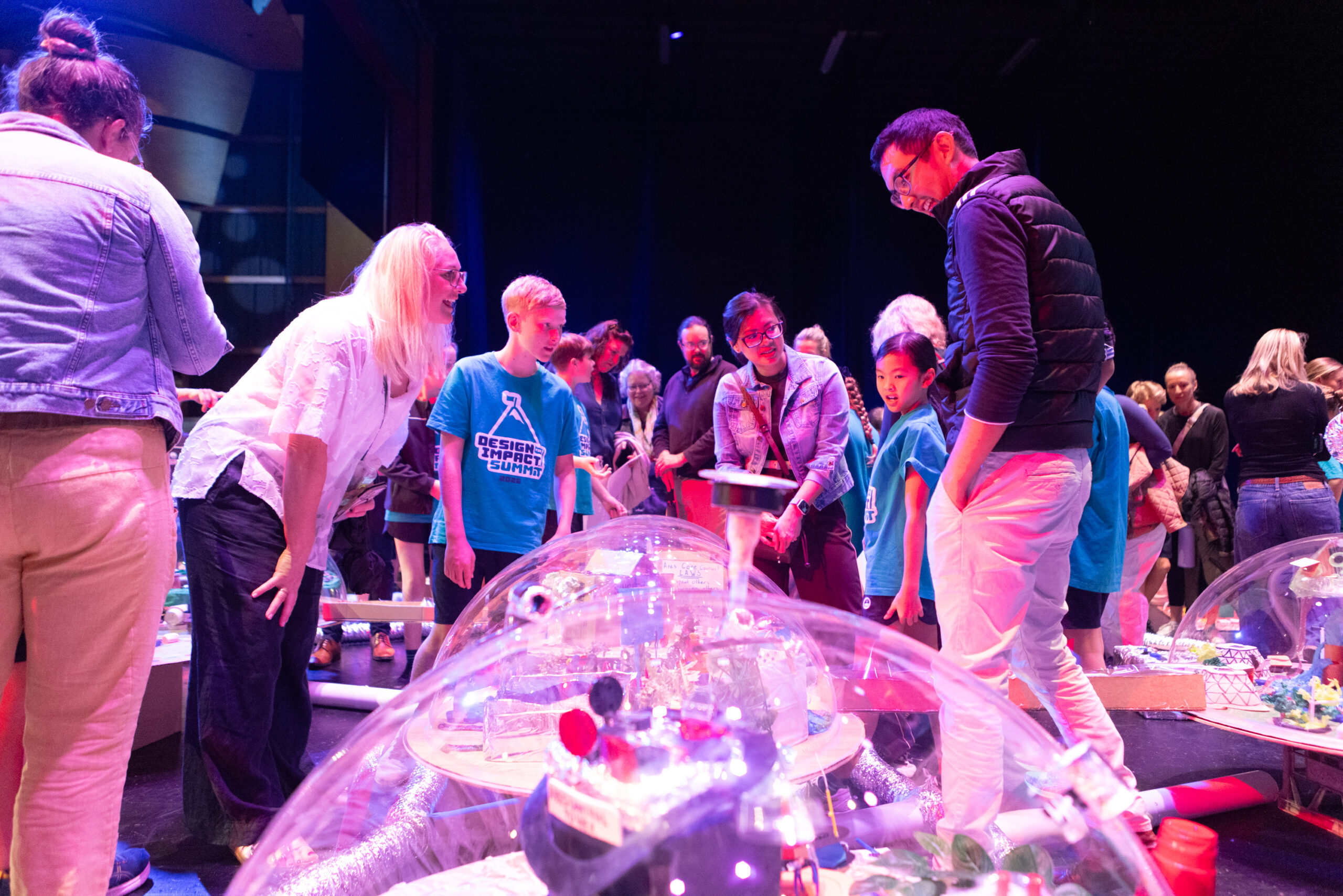
- 100+ Parents who attended the culminating Parent Showcase at the Flinders Performance Centre on Monday, 20 July to celebrate the out-of-this-world prototypes our young innovators pitched as their visions for 2050. The event was hosted by Head of Primary Mr Jason Lock and College Principal Ms Michelle Carroll with learning insights provided by Mr Hill and student ambassadors.
Mr Justin Hill, Teacher of Enterprise and Curiosity in the Primary School, explained that the Summit’s theme connected to Australia’s growing space industry and positioned students as future innovators.
“After all, designing for Mars is ultimately designing for Earth,” Mr Hill said, “and this challenge invited our students to think long-term about the kind of world and civilisation they want to build.
“Mars is an extreme environment where every decision has consequences, so our students were forced and inspired to consider sustainability, governance, resource management, wellbeing and technology as interconnected systems rather than isolated ideas,” he said.
“Together, they agreed it was not just about surviving on Mars, but on living well and thriving on Mars.”
The Design Thinking Journey
Over three intensive days, students tackled specific colony components – ranging from domed habitats (food, medical, energy, wellbeing) to core support systems (transport, mining, robotics, communications, governance, waste management) – by progressing through five core design thinking stages:
1. Empathise: Students had to gain an understanding of how harsh life on Mars would be and needed to empathise with all future Mars pioneers. They did this through engaging with keynote speakers and guest mentors, including space experts like Andy Aldrin from the Aldrin Family Foundation. This set the foundation for survival and, ultimately, thriving on Mars.
2. Define: Using Maslow’s Hierarchy of Needs, students worked collaboratively in small teams to map out what humans require to not just survive, but thrive, defining the core challenges for their specific colony components.
3. Ideate: Teams brainstormed solutions for their assigned domains, continually collaborating with neighbouring groups where systems—like power, food, and life support – needed to connect, ensuring everyone understood how their work interconnected.
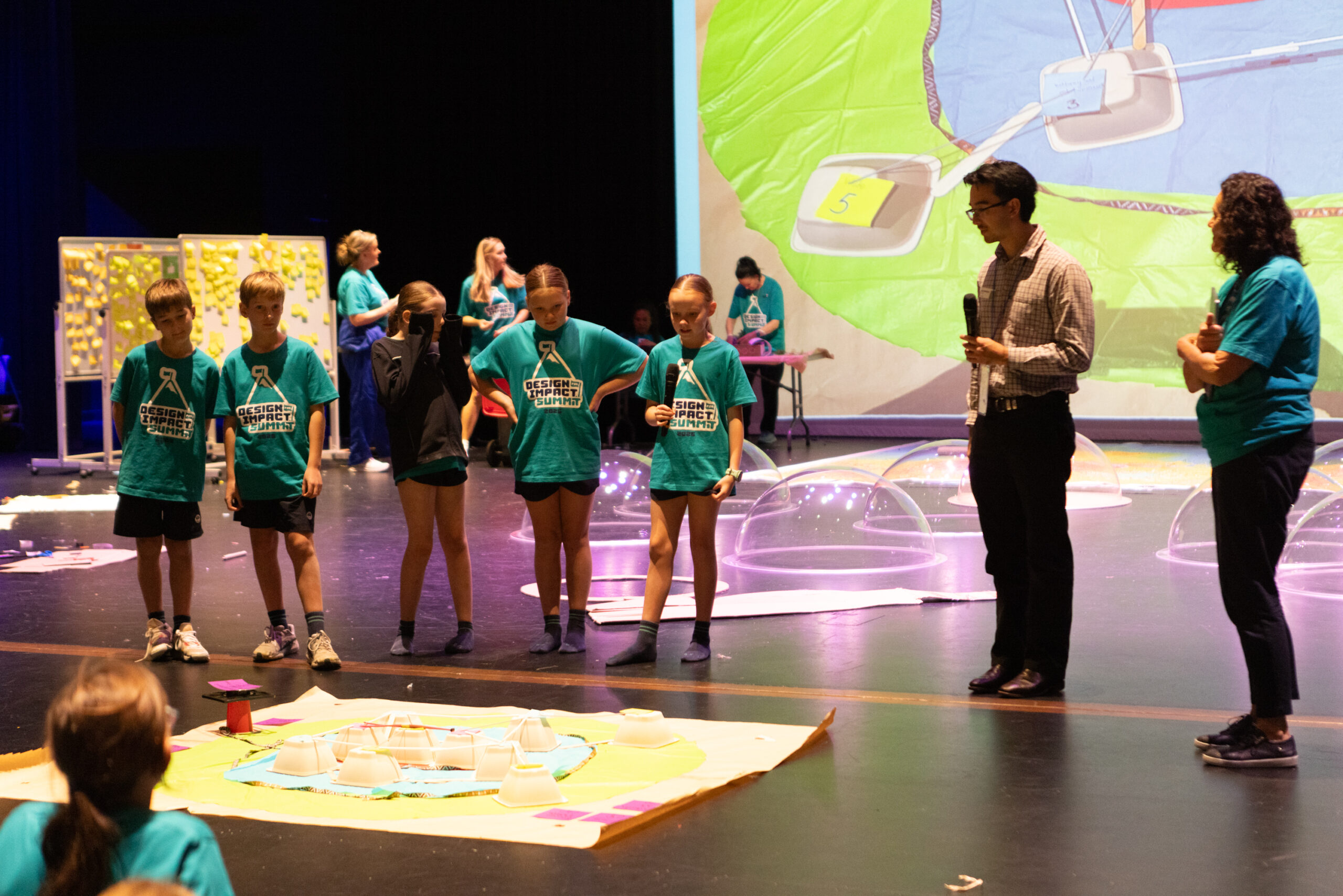
4. Prototype: Moving from concept to creation, students built physical models, structural artefacts, systems maps and presentations to form an integrated vision of the colony.
5. Test: The Summit culminated at the Parent Showcase, where students pitched their prototypes to an audience of over 100 parents and guests, gathering real-world feedback on their colony's viability as a living civilisation.
Flinders: Leading Design Thinking in Education
At the Parent Showcase on Monday, 20 July, College Principal Michelle Carroll welcomed guests and shared insights into the Summit’s learning impact.
Ms Carroll noted that former Australian Chief Scientist Dr Alan Finkel AO describes the importance of developing ‘T-shaped learners’.
“The vertical axis of the ‘T’ represents deep disciplinary knowledge and expertise, while the horizontal axis reflects the equally important capabilities of collaboration, communication, creativity and problem-solving,” Ms Carroll said. “It is this combination that prepares young people to thrive in an increasingly complex world.
“The Design for Impact Summit is a powerful example of this philosophy in action.”
Flinders remains committed to empowering students as future-focused problem solvers. Every student from Prep to Year 6 learns how to apply design-thinking frameworks through the College’s bespoke Impact and Wonder programs.
Aligned with the Australian Curriculum across Science, Mathematics, English, HASS, and Technologies, Impact embeds systems thinking, ethical reasoning and creative problem-solving into everyday learning.
Thank you!
College Principal Michelle Carroll and Head of Primary Jason Locke congratulated the students for their energy, efforts and enthusiasm, and thanked our contributors for showing our students what is possible when human-centred design thinking meets real-world application!
INDUSTRY PARTNERS
We appreciated support from: Laura Bain | Debbie Planck | Dr Marcus Bussey, Senior Lecturer in History and Futures, University of the Sunshine Coast | Aldrin Family Foundation | Australian Space Agency | University of the Sunshine Coast | Volunteers from the local Buderim Men's Shed Australian Men's Shed Association (AMSA) | Professor Scott Sleap | University of Sydney
EXPERT VOLUNTEERS
We also appreciated the 20+ Visiting Experts (with many being Flinders parents), including:
Lucien Fender | Architect
Cassandra Fenaughty | Landscape Architect
Matt Palmer | Civil Engineer
Dr Kobi Haworth | Anaesthetist
Chris Wright | Olympian Swimmer and Head Coach Flinders Phoenix Swimming
Sophia O’Brien | Academic, International Law, University of the Sunshine Coast
Dean Thomson | Executive Director, Infrastructure Projects
Jonathan Nalder| Project Manager, Australian Computer Society
Alan Hocking | Principal Consultant
Mike Read | Defence-Aerospace Founder, Executive, Pilot
Gavin Hutchins | Charter Manager, CDC Queensland Buses
Dr Mark Wilke | Doctor, Paramedic, Retrieval Doctor, Surgical Assistant
Dan Sheleen | Government and Defence Professional, Clearance Diver, Royal Australian Navy
Jack Horridge | Town Planner