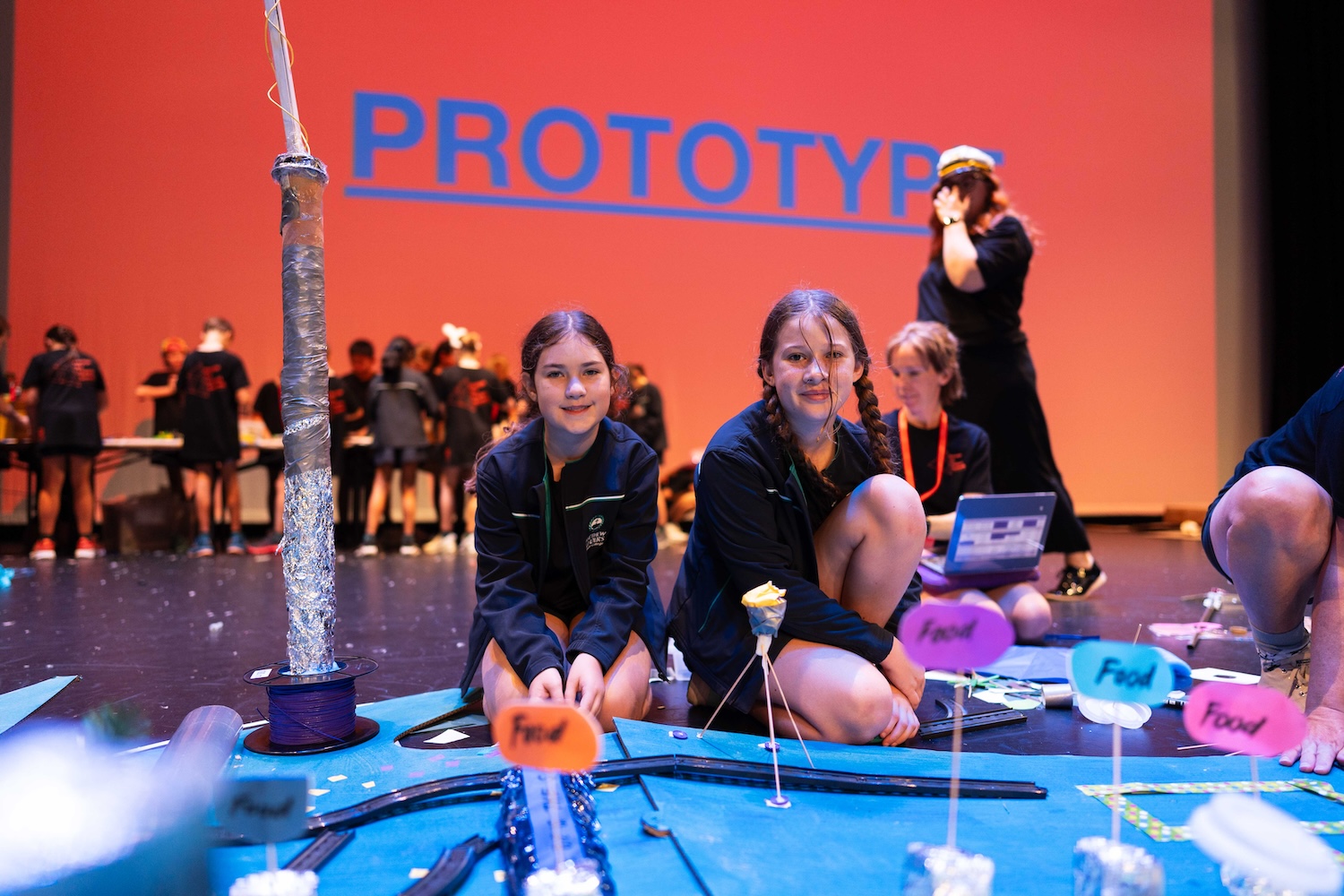
In its sixth year, the 2025 Flinders Design for Impact Summit (16–18 July) challenged and inspired more than 100 Year 5 students at Matthew Flinders Anglican College on the Sunshine Coast to reimagine Olympic infrastructure—using Brisbane 2032 as their lens—to design vibrant, inclusive and resilient urban spaces.
Flinders is committed to being a leader in teaching human-centred design thinking, with every student from Prep to Year 6 learning how to utilise the design thinking cycle (Empathise - Define - Ideate - Prototype - Test) to solve problems and make a positive difference in the world through their bespoke i-Impact program.
Mrs Trudi Edwards, the Head of Primary School at Flinders, said the immersive design thinking event empowered the students to act as custodians of the future.
“The theme for this year’s Design for Impact Summit enabled our Year 5 students to learn how thoughtful legacy work is vital to ensure the infrastructure investments of the Brisbane 2032 Olympic and Paralympic Games deliver long-term benefits and help to shape stronger, healthier and more inclusive communities,” said Mrs Edwards.
“Our students jumped at the chance to put their design thinking skills into practice through collaborative problem-solving, creativity and future-focused thinking,” she said.
In small groups, the Year 5 students had to ideate and prototype a large landmass at Kawana on the Sunshine Coast, being mindful of five Sunshine Coast Biosphere principles: Conservation, Inclusivity, Economic Opportunity, Culture and Heritage, and Sustainability.
To better understand the opportunities for economic, environmental and social gains, the students were mentored and guided by experts in town planning, architecture, future thinking, regenerative futures and sustainability.
Guest speakers included Sunshine Coast Council experts, Lisa Moore, Senior Architect in Urban Design and Architecture; David Moore, Manager of Environment and Sustainability Policy; and Thomas Brock, Urban Designer.
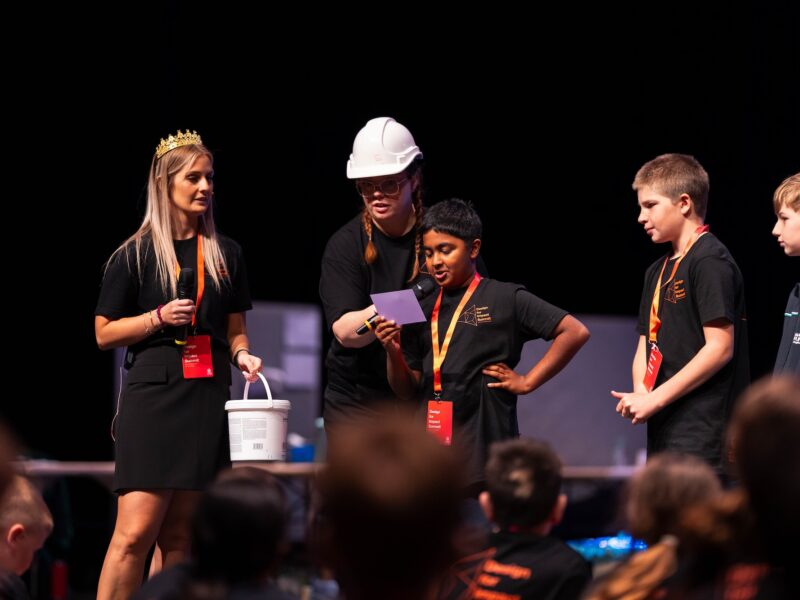
The students’ final 3-D prototype was officially opened by Ted O’Brien, Deputy Leader of the Opposition, Shadow Treasurer and Federal Member for Fairfax, along with Principal Michelle Carroll.
Also assisting throughout the Summit were tertiary students training to be educators, including four Old Flinderians—Chelsea Orford, Jorja Selwood, Lidia Cahill, Kate Sparke—as well as Hazel Hendry and Coco Jones.
There were also members of the Buderim Men's Shed who brought their carpentry and handy skills to support the students in bringing their ideas to life in 3-D, including Jim Thompson (a former Flinders parent and President of the Buderim Men’s Shed), Peter Francis (a former Flinders staff member) and Tom Bremner.
The event was led by Flinders staff, including Head of Enterprise and Curiosity, Mr Justin Hill; Year 5 educator Amy Cahill and Laura Bain, Head of Future Learning and Academic Operations.

The Challenge: Design your vision for 2050
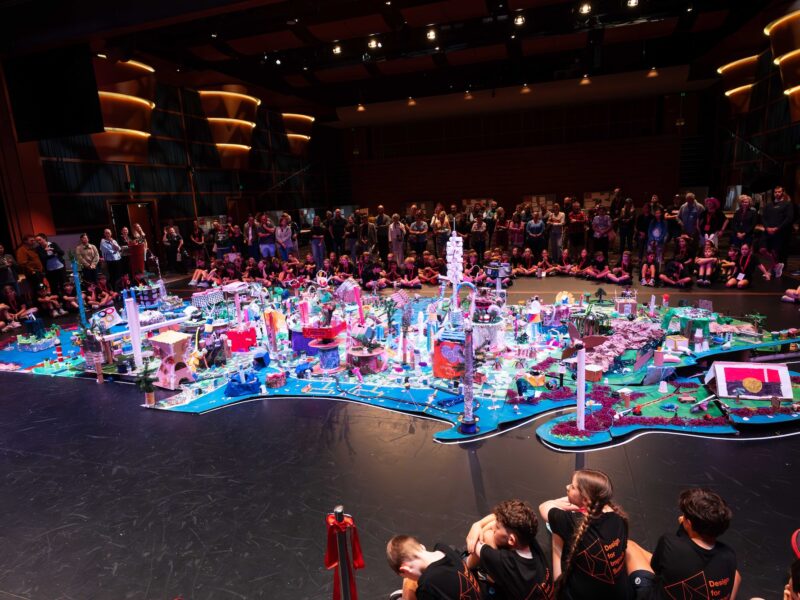
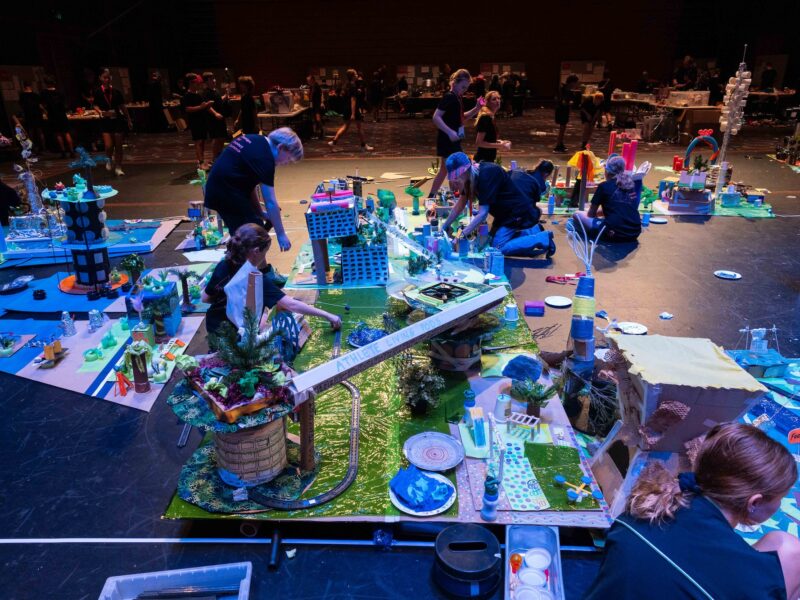
Working in groups, the Year 5 students in the Flinders Primary School were responsible for one of 20 scaled map pieces of the Kawana Precinct on the Sunshine Coast. Each group had to repurpose the infrastructure used in the Olympics and Paralympics and design in 3-D the future environments they want to live in.
On the 20 map pieces, they used cardboard and other recycled materials and craft to create a vibrant prototype scaled model that spread across the Performance Centre stage (see cover image).
Students were asked at the Summit:
- What’s your vision for 2050?
- What sort of city do you want to live in, as custodians of the future?
- How can you harness the energy, creativity and financial investment related to the Brisbane 2032 Olympics and Paralympics to improve your community and keep the legacy alive?
- How can you ensure the Sunshine Coast Biosphere principles (Conservation, Inclusivity, Economic Opportunity, Culture and Heritage, and Sustainability) remain evident throughout the development of the prototype?
Without warning and at various times during the Summit, the students’ work was creatively hijacked by consultants and educators who visited to disrupt their ideas and thinking, forcing the students to pivot and reconsider their designs. Such experiences helped students develop their agility, resilience and ability to re-ideate and prototype.
Flinders a Leader in Teaching Design Thinking
The Flinders Head of Primary, Mrs Trudi Edwards, said the College was committed to being a leader in teaching human-centred design thinking.
“The Design for Impact Summit is one of the highlights in our Senior Primary curriculum, and our students certainly embrace its wonder, challenge and excitement,” Trudi said.
“Our Primary staff are just as energised, and ensure our students are enriched through this real-world learning opportunity.
“Design thinking skills are critical to preparing citizens of the future who have the confidence and capacity to problem solve, test, pivot and adapt—all to make a positive difference in the world.
“It’s clear the future is in good hands, as we’ve observed just what our students can achieve and how eagerly they connect with our guest speakers and mentors from industry.”
Learn more about design thinking in the Primary School with this story of our Year 6 students building their knowledge and passion as future thinkers. Click here.
