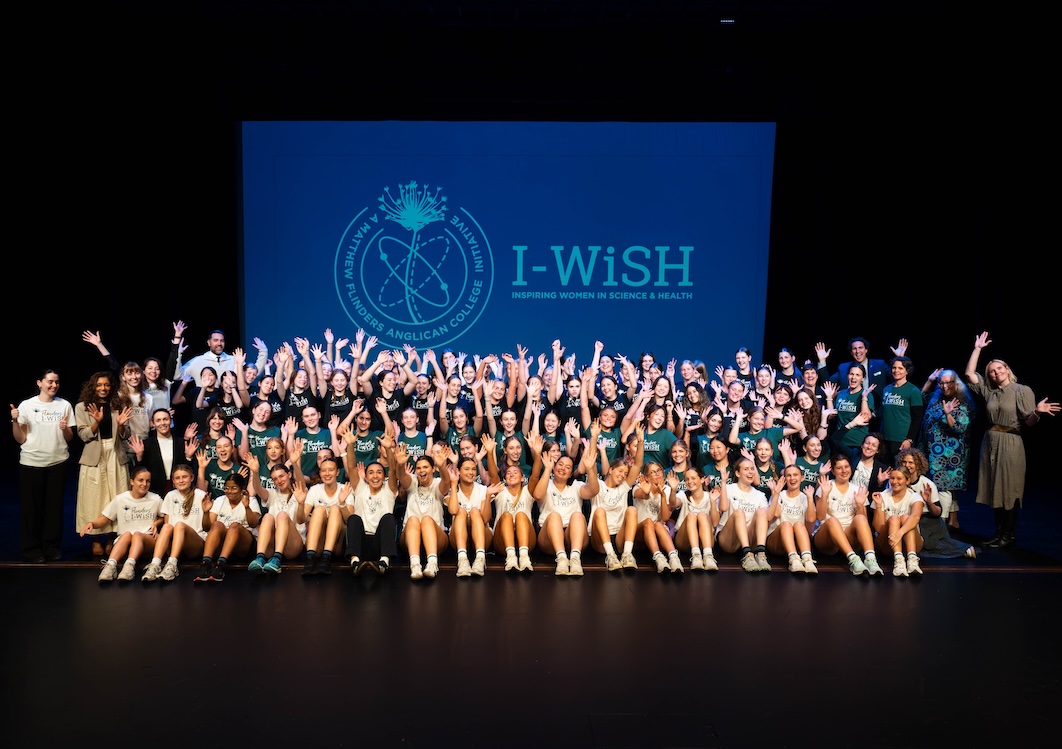
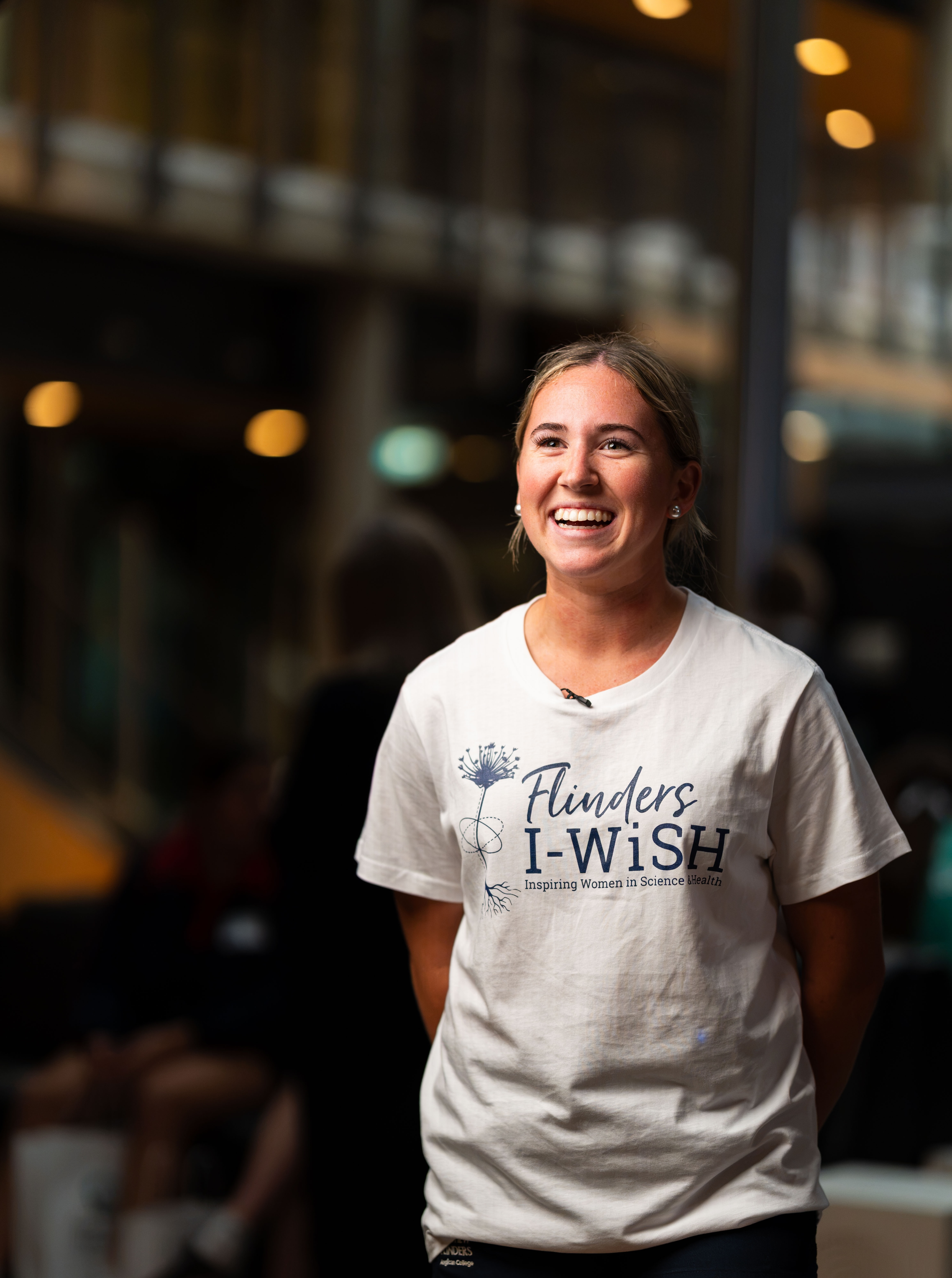
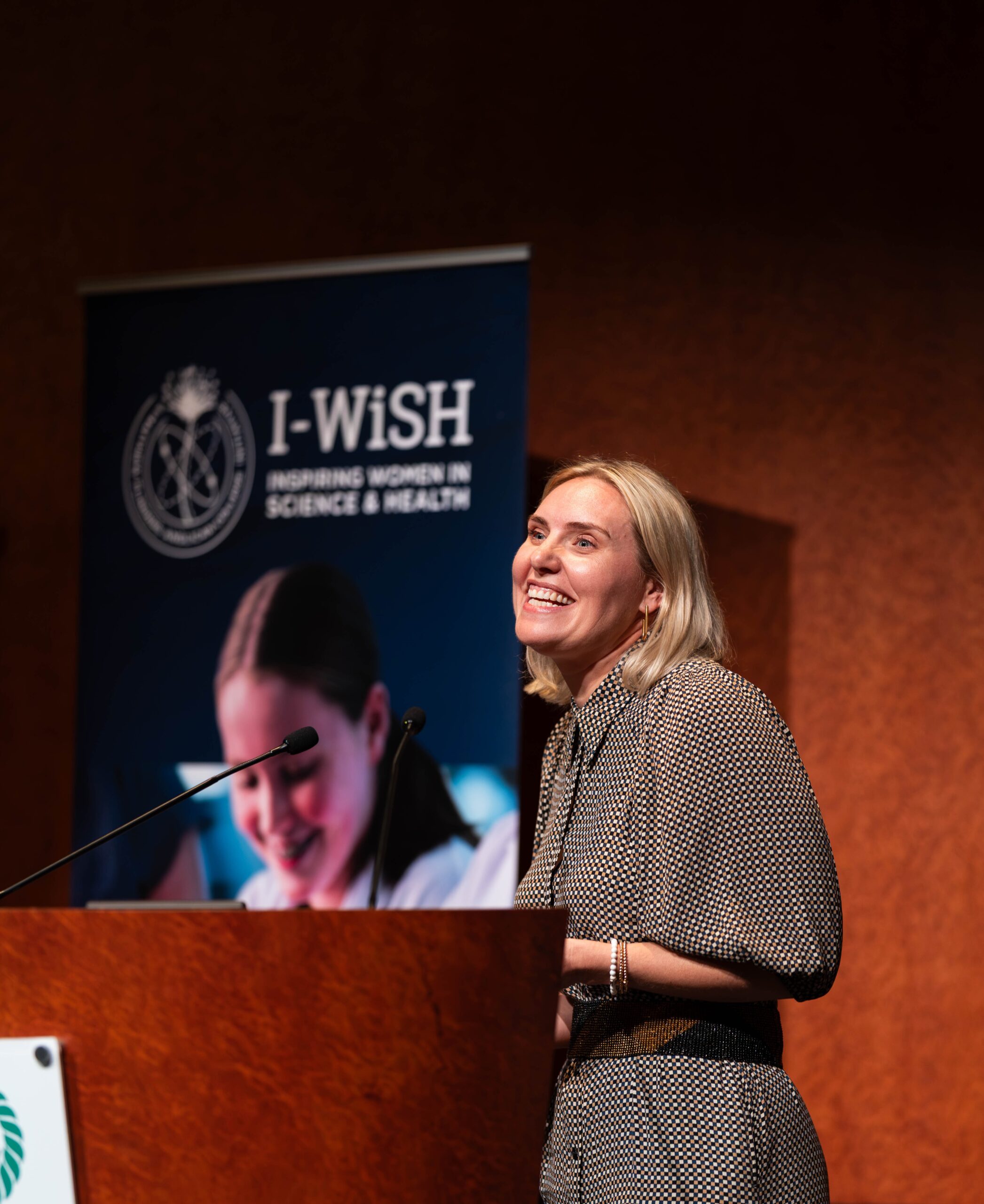
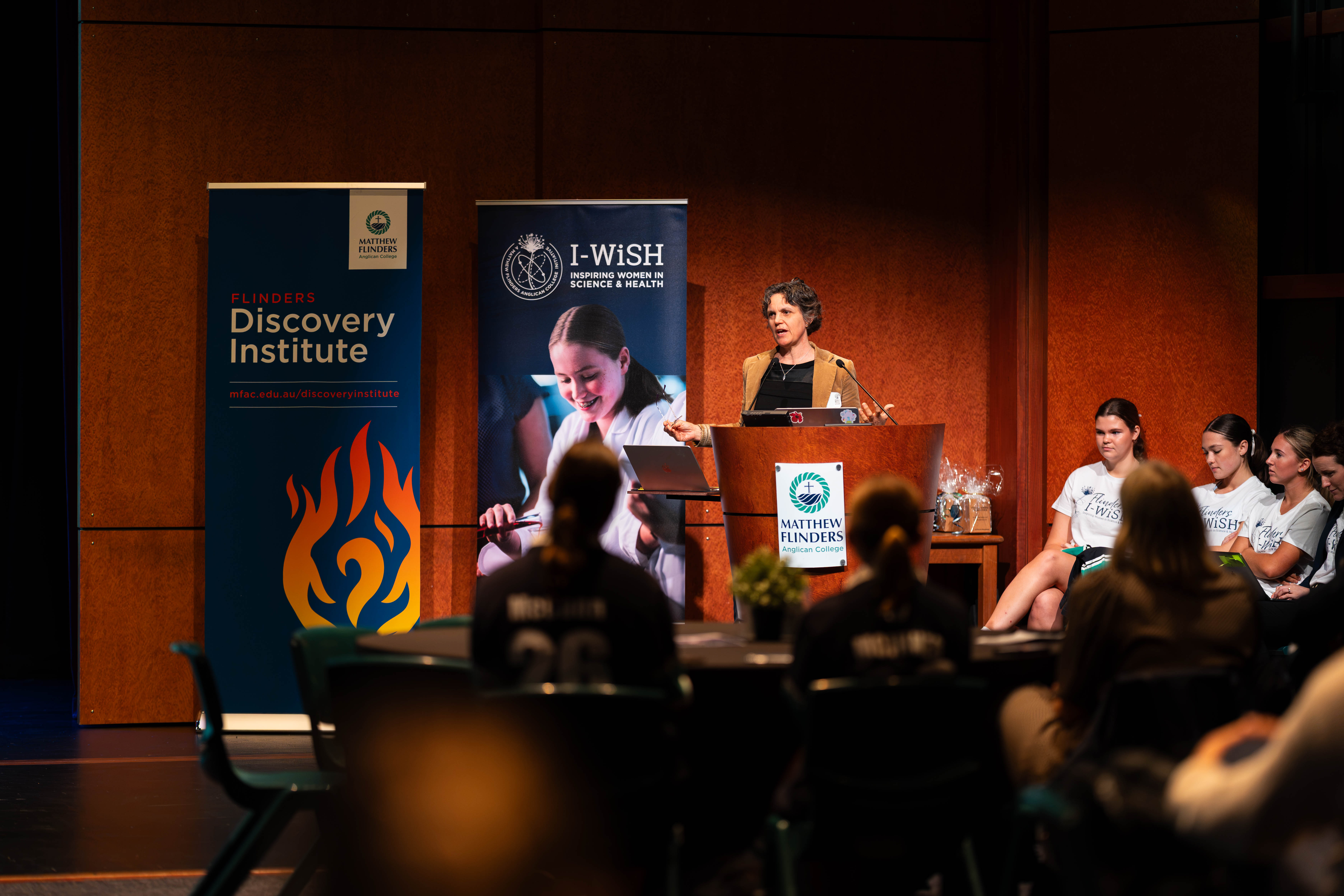
To celebrate National Science Week 2026 (15–23 August), Matthew Flinders Anglican College (Flinders) hosted its sixth annual Inspiring Women in Science and Health (I-WiSH) conference on Tuesday, 18 August.
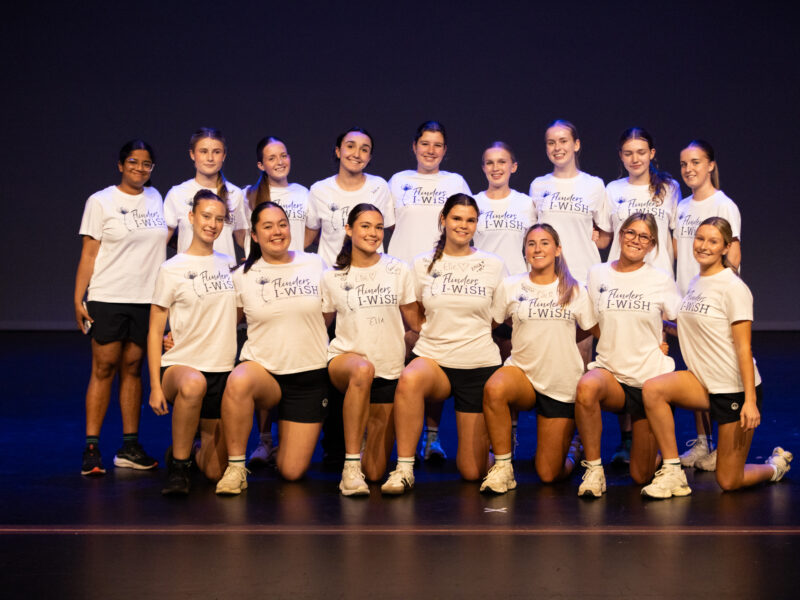
The Flinders I-WiSH initiative brought together a powerhouse network of 10 top-tier female scientists, tech executives and medical researchers to inspire 80 bright young minds from Years 10 to 12.
The participating students included 60 girls from Flinders and 20 girls invited from Suncoast Christian College, Noosa District State High School and Coolum State High School.
The 2026 Flinders I-WiSH conference program featured two cornerstone events:
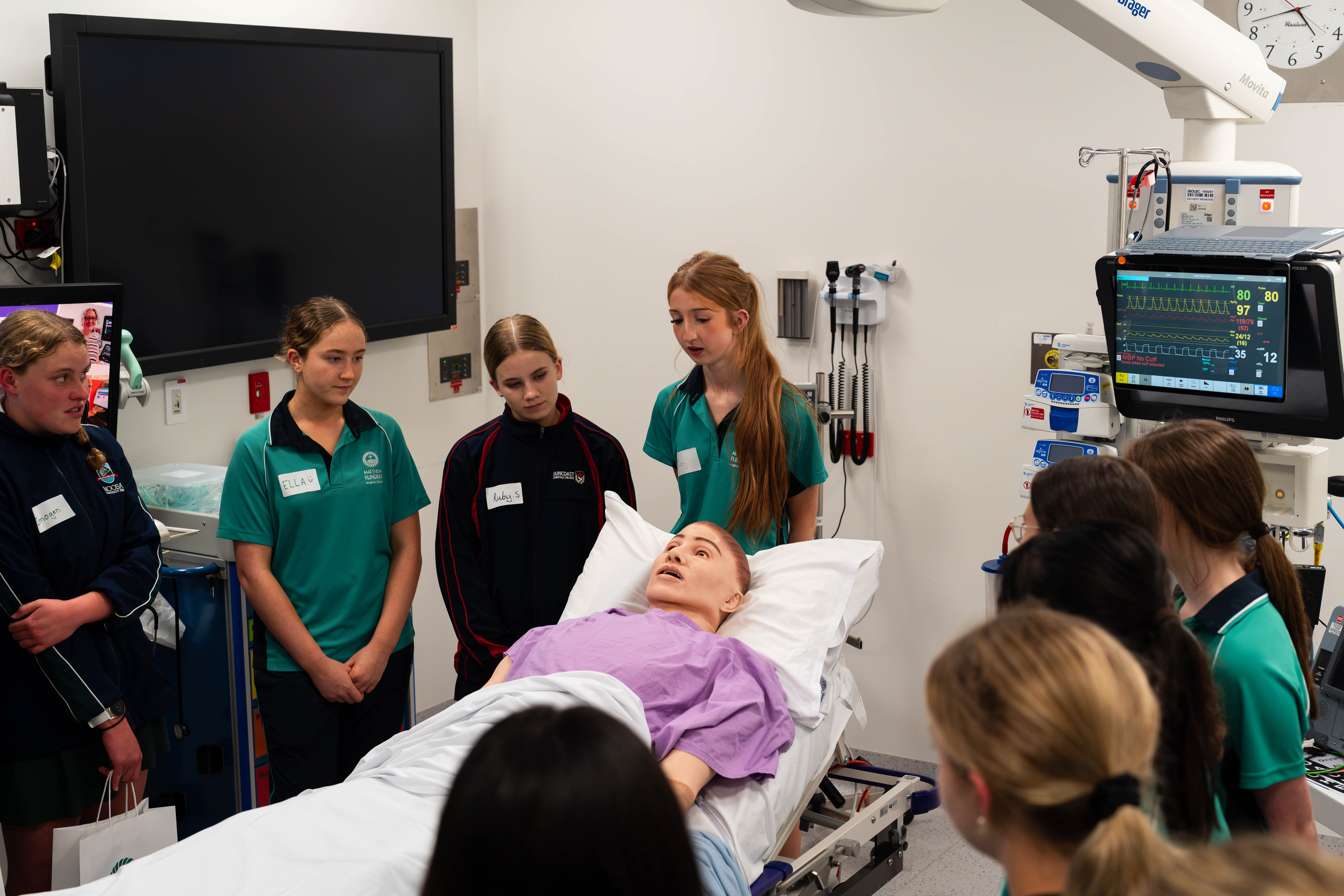
- Monday, 17 August (3:30pm–6:00pm) | SCHI Gateway Event: Students visited the Sunshine Coast Health Institute (SCHI) in Birtinya to tour world-class clinical simulation suites and research labs, stepping directly into an active, cutting-edge healthcare ecosystem. Students were also treated to a keynote by Dr Angela Carberry, the Research Lead at Sunshine Coast Health Institute (SCHI) and a Flinders alumna.
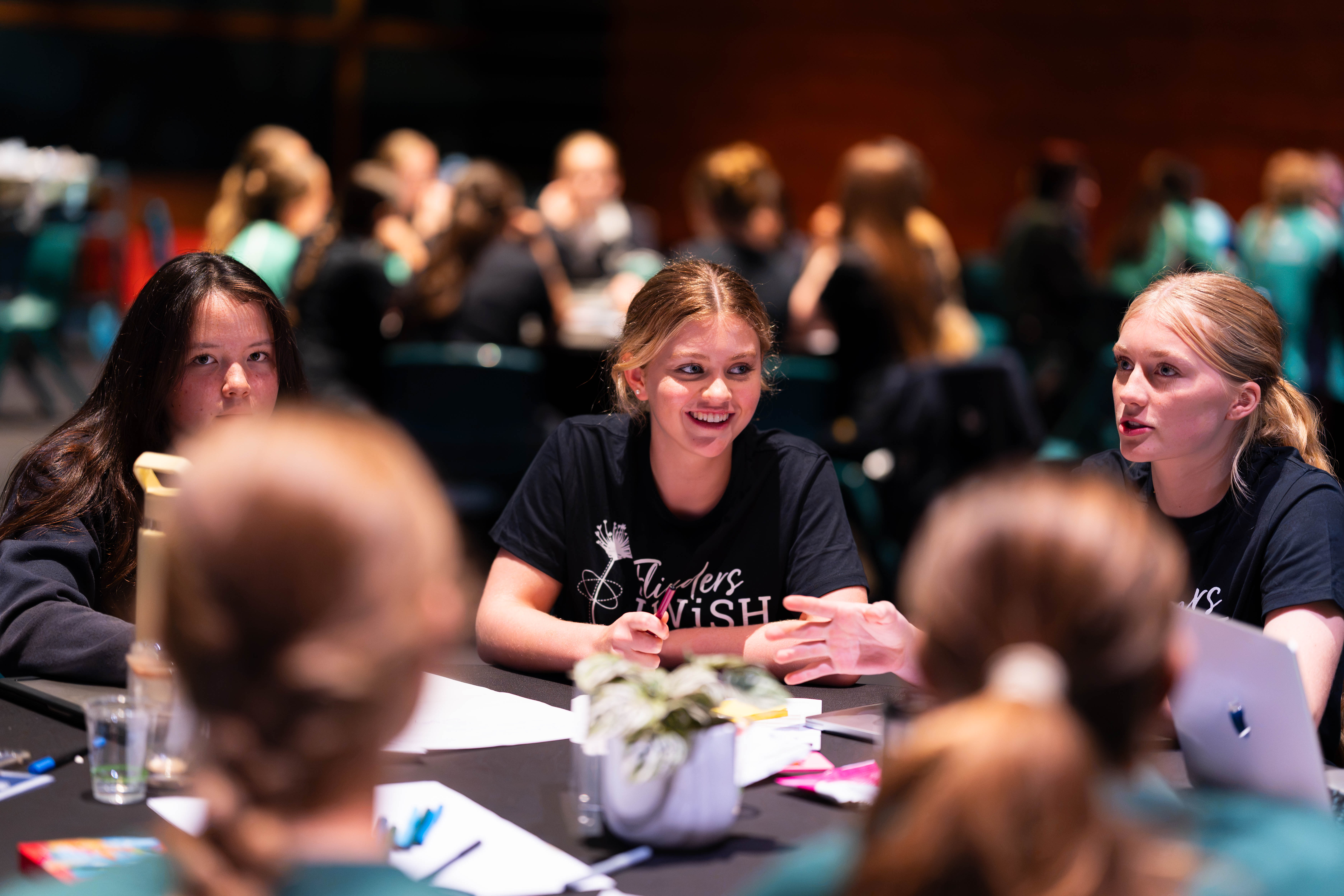
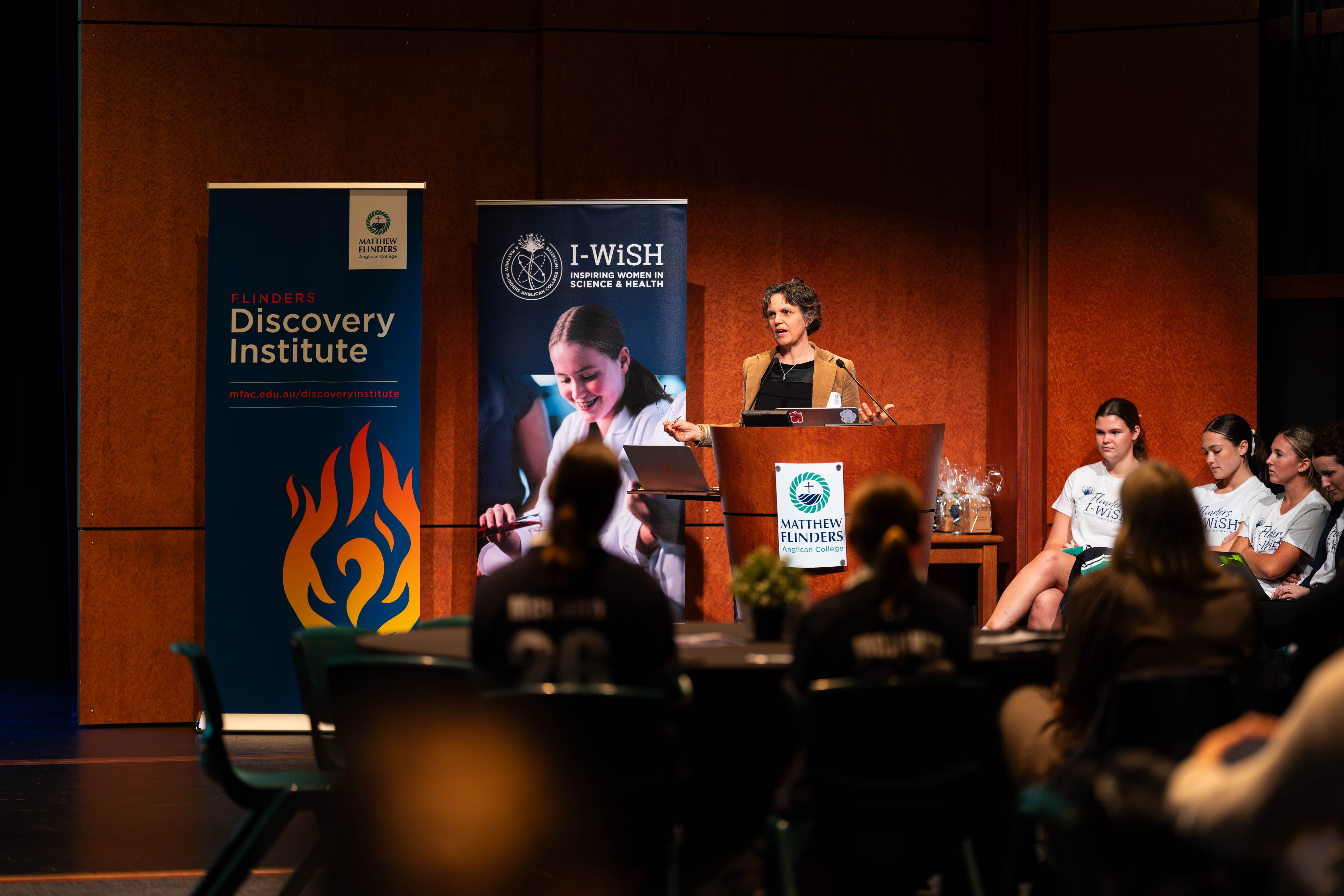
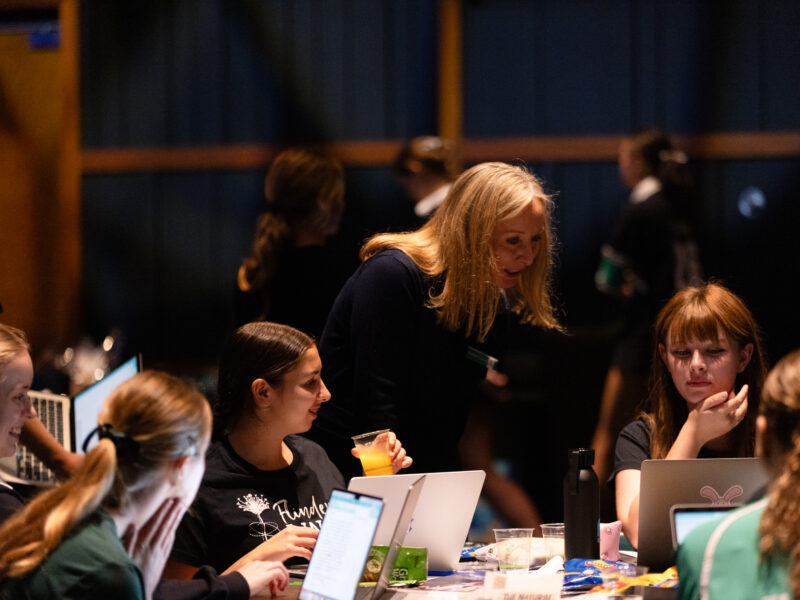
- Tuesday, 18 August (8:30am–3:00pm) | Main I-WiSH Conference: The conference was hosted at the Matthew Flinders Anglican College Performance Centre in Buderim. Students heard from lightning keynotes on world-changing research before diving into a high-intensity, three-hour "Change Maker" design sprint. Year 10 teams were co-judged and mentored by senior student leaders (Years 11 and 12) and guest scientists as they crafted and pitched public advocacy strategies for advanced medical and environmental research.
See the 2026 I-WiSH wrap-up video here:
Creating more opportunities for girls to pursue STEM
The 2024 State of Gender Equity Report highlights that young women comprise just 25% of senior IT, physics and engineering school enrolments, while only 31% of female STEM graduates successfully transition into STEM careers.
In direct response, Flinders launched the I-WiSH program in 2021 to nurture a high-talent pipeline in Health-Related STEM (HeR-STEM). Science is the largest subject department at Flinders, with nearly 50% of graduates choosing tertiary science pathways, including eight 2025 graduates who successfully entered medical school.
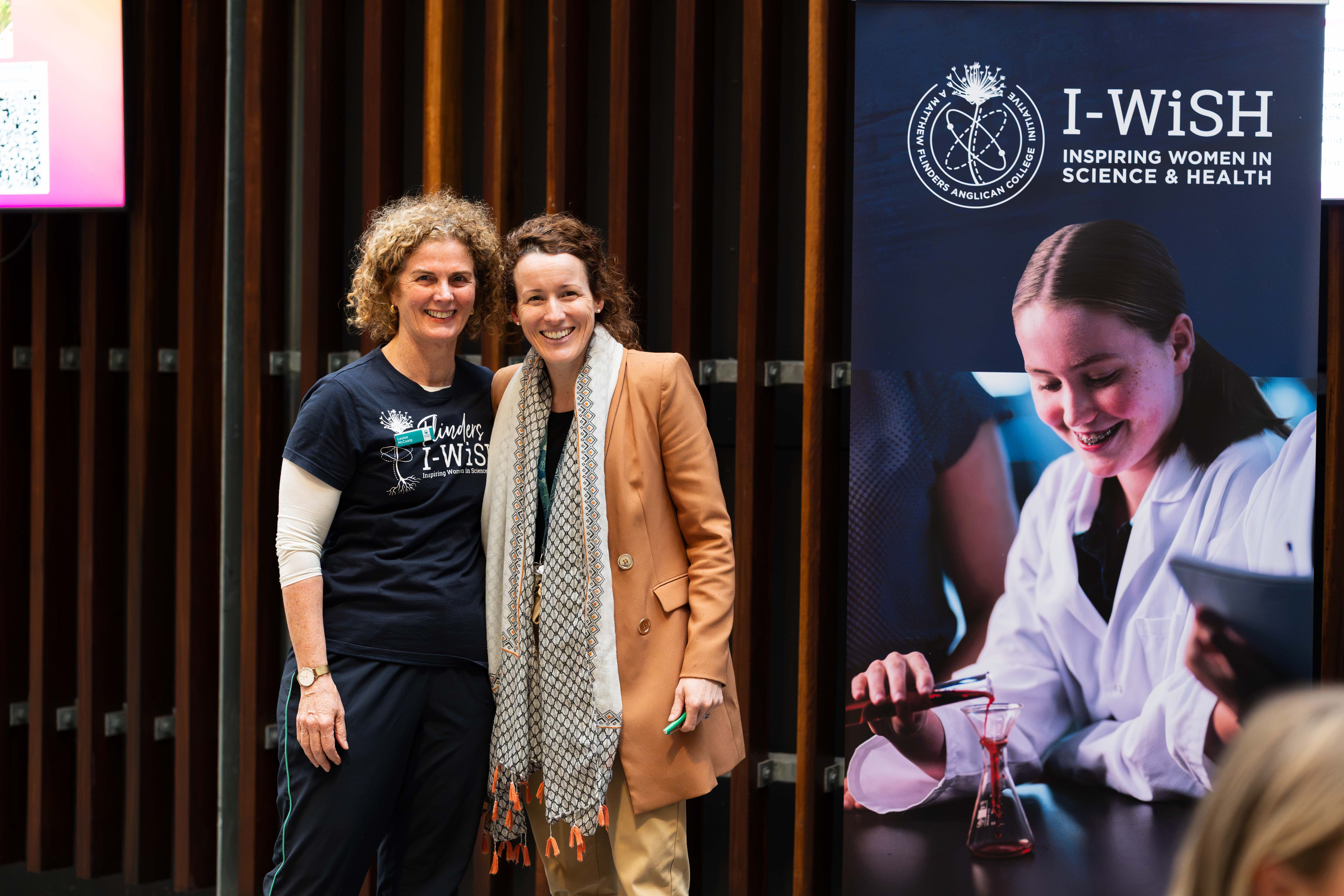
Over the past six years, the I-WiSH initiative has inspired more than 400 students to explore their passion for science alongside inspiring role models working on cutting-edge projects. The program is designed and facilitated by Flinders' Dr Louise McCuaig, Director of the Flinders Discovery Institute, and Emmie Cossell, Secondary Science Teacher and Head of Middle Secondary School, with support from John Fitzgerald, Head of Science in the Secondary School.
Flinders Principal Michelle Carroll said, "Australia urgently needs more women leaders in science and research.
“With the World Health Organisation projecting a global shortage of 10 million healthcare workers by 2030, early immersion programs like our Flinders I-WiSH provide the real-world skills, authentic role models and profound motivation young women need to confidently step into these vital health and technology roles.”
Dr Louise McCuaig reflected on the 2026 I-WiSH Conference, noting, "It was simply a fabulous day. Inspiration from our 2026 I-WiSH Champion Kate Mallord set the highest of standards for science communication and innovation. A big and special thank you to all our guest researchers, many of whom have participated every year.
"The high quality and diversity of strategies our young women pitched at the end of the day as part of the Change-Maker Design Sprint was testament to the investment, generosity and expertise of these fabulous women researchers. What a special event!"
Expanding through partner schools and industry collaborations
In 2024, to share the knowledge and inspire more girls in STEM, Flinders further developed the I-WiSH initiative into a national franchise model.
Dr McCuaig and the Flinders I-WiSH team was thrilled to host Sydney’s Pymble Ladies’ College and Melbourne’s St Catherine’s School during the 2024 I-WiSH conference on the Sunshine Coast. It was an opportunity to mentor these partner schools in preparation for them hosting their own highly successful I-WiSH events in their respective communities in 2025 and 2026.
Flinders has also established exciting industry partnerships with leaders like the Sunshine Coast Health Institute, enabling the College to play an active role in ensuring our young people have direct access to elite mentorship and inspiring role models.
Inspiring Guest Presenters and Mentors
The 2026 Flinders I-WiSH Champion was Kate Mallord, CEO of global media publisher ScienceAlert. A strategic growth leader and former BBC.com editor with a background at Meta and LinkedIn, Kate is dedicated to making complex science news accessible to all.
The conference also featured headline mentor Associate Professor Taylor Dick, Director of the Neuromuscular Biomechanics Laboratory at The University of Queensland, who returned for her sixth consecutive year. Taylor is an international authority in biomechanics and executive member of the International Society of Biomechanics. She has long championed systemic equity in STEM, co-developing the government-funded BRInC program to bolster nationwide girls' engagement in science.
The College was also delighted to have three alumni return as guest speakers and mentors:
- Dr Mia Schaumberg, Associate Professor, School of Biomedical Sciences at the University of the Sunshine Coast;
- Charlotte Britton, Doctoral Candidate, Australian Institute of Bioengineering and Nanotechnology at The University of Queensland; and
- Dr Angela Carberry, Research Lead at the Sunshine Coast Health Institute (SCHI).
FLINDERS 2026 I-WISH CONFERENCE: GUEST SPEAKERS AND MENTORS (see bios below)
- Kate Mallord, CEO, Science Alert
- Dr Angela Carberry, Research Lead at Sunshine Coast Health Institute (SCHI) (and a Matthew Flinders Anglican College alumna)
- Dr Taylor Dick, Associate Professor, School of Biomedical Sciences, UQ
- Dr Mia Schaumberg, Associate Professor, School of Biomedical Sciences, University of the Sunshine Coast (and Matthew Flinders Anglican College alumna)
- Professor Kate O’Brien, School of Chemical Engineering, The University of Queensland
- Charlotte Britton, Doctoral Candidate, Australian Institute of Bioengineering and Nanotechnology, The University of Queensland (and a Matthew Flinders Anglican College alumna)
- Professor Kathy Townsend, School of Science, Technology and Engineering, University of the Sunshine Coast
- Dr Asmaa Boufridi, Research Fellow, Centre for Bioinnovation, University of the Sunshine Coast
- India Lindemann, Doctoral Candidate, School of Biomedical Sciences, The University of Queensland
- Dr Rathika Krishnasamy, Academic Clinical Nephrologist, Sunshine Coast University Hospital & Professor, Faculty of Medicine, University of Queensland
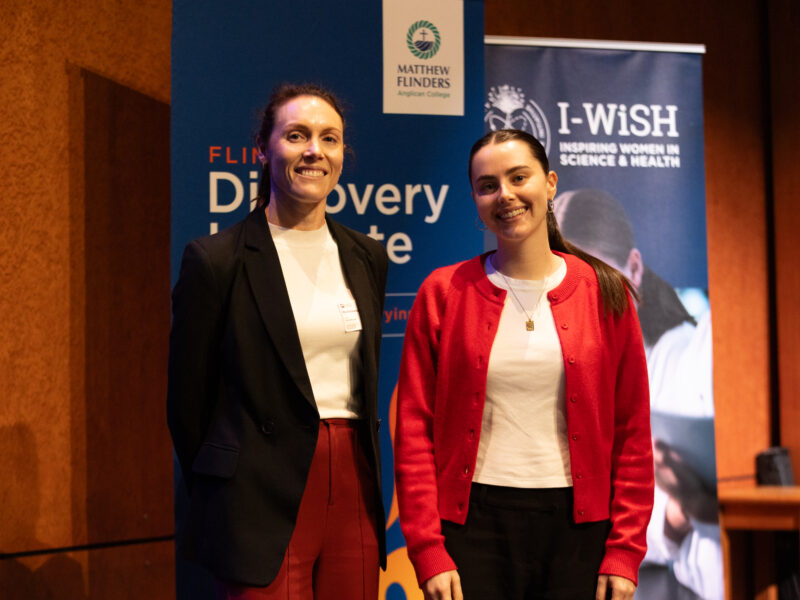
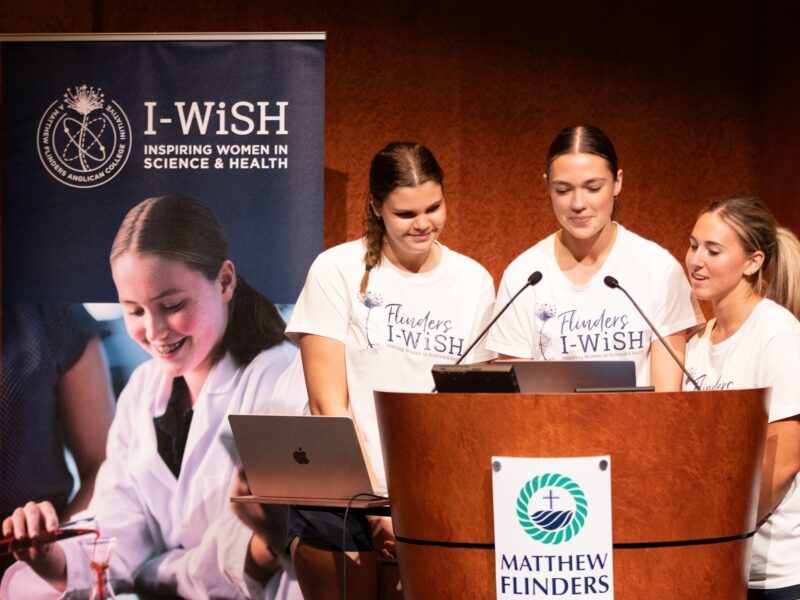
SPEAKER BIOGRAPHIES
DR ANGELA CARBERRY, Research Lead at the Sunshine Coast Health Institute (SCHI)
Angela is an Old Flinderian (Class of 2002) and is currently the Research Lead at the Sunshine Coast Health Institute (SCHI) and Adjunct Lecturer at the University of the Sunshine Coast. Angela is a passionate public health industry academic aspiring to drive health system change and reform through translation research, evaluation and implementation science.
DR TAYLOR DICK
Associate Professor, School of Biomedical Sciences, The University of Queensland
Associate Professor Dick is a Group Leader in the School of Biomedical Sciences at UQ and currently acts as Deputy Associate Dean (Research) within the Faculty of Health, Medicine and Behavioural Sciences. She completed her PhD in Canada followed by postdoctoral training in the USA. Using a combination of experimental and modelling tools, her research answers fundamental questions about how movement underpins evolution, health, and disease. Taylor is recognised for her research and mentorship both nationally and internationally, receiving the International Union of Physiological Sciences Junior Faculty Award, the International Society of Electrophysiology and Kinesiology Kevin P. Granata Award, a Queensland Tall Poppy Award and a 2026 nomination for the UQ Award for Excellence in Graduate Research Leadership. As a staunch advocate for women and girls in STEM, she co-leads the Australian Government-funded Biomechanics Research and Innovation Challenge (BRInC), a national initiative increasing girls’ engagement in science and engineering.
DR MIA SCHAUMBERG
Associate Professor, School of Biomedical Sciences, University of the Sunshine Coast
Associate Professor Mia Schaumberg’s research passion is exercise physiology and healthy ageing, particularly in relation to endocrine function, cognition, bone health and falls risk. Mia’s PhD research investigated the influence of female hormone status and exogenous hormone use on exercise and training adaptation and how exercise training influenced hormone status for health benefits. Her interest in exercise endocrinology led to her postdoctoral work in exercise, ageing and cognitive decline. In collaboration with the Bartlett Laboratory at the Queensland Brain Institute, Mia established the UQ Centre for Exercise and Healthy Brain Ageing, which facilitates ongoing research into the effect of exercise on cognitive health in older adults. Combining measures of physiological and functional fitness, cognitive function, blood biochemistry, epigenetics, and multimodal magnetic resonance imaging of the brain, Mia’s work guides understanding of how to improve health and address cognitive disease progression in older adults.
PROFESSOR KATE O’BRIEN
School of Chemical Engineering, The University of Queensland
Professor O'Brien applies modelling and data analysis to explore sustainability challenges in engineered, ecological and human systems. Professor O'Brien works with a diverse network of local and international collaborators, from academia, government and industry, to tackle important questions such as: In restoring valuable coastal habitat, what is the minimum patch size required for success, and why? How much oil can individual fossil fuel producers extract without compromising global climate targets? Why is gender equality in the workplace so hard to achieve? Kate uses modelling as a tool to connect ideas across traditional disciplinary boundaries to promote innovation and tackle complex, open-ended problems. She has won numerous awards for teaching students critical thinking and other transferrable skills needed to lead the shift from the current ‘take-make-waste’ paradigm to genuine sustainability.
CHARLOTTE BRITTON
Doctoral Candidate, Australian Institute of Bioengineering and Nanotechnology, The University of Queensland
Charlotte Britton is a third-year PhD student at The University of Queensland and an alumna of Matthew Flinders Anglican College. Her research focuses on vaccine immunology; particularly how different vaccine formulations influence immune memory and the body’s ability to rapidly respond to future infections. Charlotte studies how vaccines can be designed to generate strong, effective, and long-lasting protection against respiratory syncytial virus (RSV), a major cause of respiratory disease in infants and older adults. Vaccines are one of the most successful public health tools ever developed, giving the immune system a head start in recognising and eliminating pathogens before they can cause severe disease. However, scientists are still working to understand which vaccine design features produce the best protection against so many varying pathogens. By comparing different vaccine technologies, Charlotte investigates how vaccine components shape immune memory and long-term immunity. Her goal is to identify the key components of a vaccine which contribute to its success and add to a growing body of knowledge that can be used to rationally design safer and more effective next-generation vaccines.
PROFESSOR KATHY TOWNSEND
School of Science, Technology and Engineering, University of the Sunshine Coast
Professor Townsend's research focuses on issues such as marine conservation and human impacts on the marine environment. Kathy's research programs draw their strength from a multidisciplinary approach and focus on global scale issues, such as the impacts of marine debris and marine pollution. Kathy actively contributes to a greater understanding of the conservation status of marine species identified by the IUCN Red List for threatened species. Kathy has provided expert advice and influenced policy development at all levels of Australian government and internationally. Kathy has been fortunate to live and work on marine research stations for over 20 years and brings a broad knowledge of tropical and semitropical ecosystems. As lead academic of the internationally renowned scientific programs “Project Manta” and “Turtles in Trouble”, the research has been featured on multiple international documentaries, including BBC David Attenborough’s “Great Barrier Reef” and National Geographic Wild's "Manta Mystery".
DR ASMAA BOUFRIDI
Research Fellow, Centre for Bioinnovation, University of the Sunshine Coast
Dr Boufridi is a natural product chemist in the Centre for Bioinnovation and School of Science, Technology and Engineering at the University of the Sunshine Coast. She completed her PhD in 2014 at the University Paris XI in creating a library of active compounds by modifying the structure of a marine natural product using chemistry and biotransformation. Asmaa joined Griffith University in 2015 as a postdoctoral research fellow focusing on the determination of active new compounds using NMR-guided isolation and NMR metabolomics. In 2020, Asmaa joined the University of the Sunshine Coast as a research officer identifying and quantifying natural compounds using HPLC-MS and GC-MS. Asmaa holds a Graduate Certificate in Tertiary Education and is recognised as an AFHEA.
INDIA LINDEMANN
Doctoral Candidate, School of Biomedical Sciences, The University of Queensland
India Lindemann is a biomechanics PhD student at the University of Queensland with a background in mathematics and biomedical science. Whether she is programming musculoskeletal simulations or slipping people on treadmills, her research is driven by the desire to understand how muscles power motion. By combining both mathematical modelling and experiments, using tools like B-mode ultrasound, motion capture, and electromyography, she aims to understand how humans and other animals (big and small, from olympians to elephants) move in non-steady ways.
DR RATHIKA KRISHNASAMY
Academic Clinical Nephrologist, Sunshine Coast University Hospital & Professor, Faculty of Medicine, University of Queensland
Professor Krishnasamy is a kidney specialist and a researcher leading large-scale, multidisciplinary clinical research programs that improve patient outcomes, healthcare delivery, and policy. Her leadership roles include Director of Nephrology at Sunshine Coast Hospital and Health Services, Professor of Medicine at The University of Queensland and Griffith University, Immediate Past President of the Australian and New Zealand Society of Nephrology (ANZSN), Deputy Chair of the Australasian Kidney Trials Network (AKTN) and Oceania and Southeast Asia Regional Coordinator of the International Society of Nephrology Clinical Research Program. Her research program focuses on reducing cardiovascular risk and improving outcomes for people with chronic kidney disease, particularly identifying and addressing health equity factors that impact treatment outcomes. She is leading a global implementation science program evaluating scalable strategies to improve the uptake of evidence-based CKD care across the Pacific Regions and Thailand.
KATE MALLORD, CEO, Science Alert
Kate Mallord is a strategic leader with deep expertise in go-to-market and commercial growth. Passionate about making science news accessible for all, Kate joined ScienceAlert as CEO in 2024. Kate has held leadership roles at LinkedIn, Meta and is a former BBC.com editor.
At ScienceAlert, Kate leads a team of professionals who believe that science sparks the curiosity, action, and change needed for a better future. ScienceAlert stories are written, fact-checked and edited by humans, never generated by AI. ScienceAlert was founded in 2004 with a belief that good science should be accessible to everyone. ScienceAlert is independently owned, ad-supported and free to read, which means their only obligation is to their readers. Loved by science enthusiasts across the globe, ScienceAlert has grown into the most widely read independent science news title in the United States with over 30 million visitors each month.
MEDIA ENQUIRIES
For interviews and media opportunities, please contact Frances Gillies, Matthew Flinders Anglican College at fgillies@mfac.edu.au or 5477 3200.
